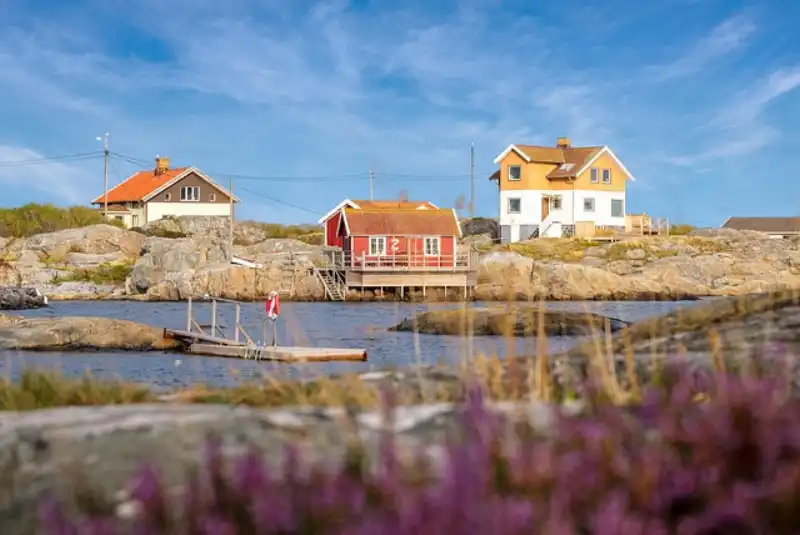
A holiday home in Whangamata can mean two very different things: a classic old bach with mismatched furniture and sand through the door, or a modern place with a designer kitchen and a pool. Both are “holiday homes” now. Which one suits you comes down to your group, your budget, and — more than anything — which part of town you pick.
Classic bach or modern home?
The traditional bach is small, a bit rustic, and full of character — cheaper, and honestly part of the charm for a lot of Kiwis. The modern end is where you’ll find heat pumps, dishwashers, multiple living areas and the occasional pool. Neither is “better.” A rainy long weekend in July calls for the heat pump; a barefoot January week doesn’t much care.
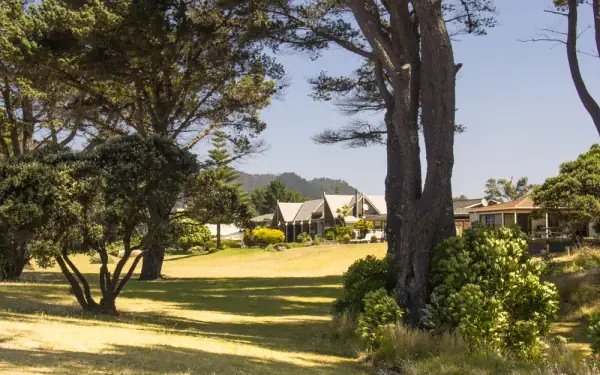
From simple baches to architect-designed homes, Whangamata rentals cover every budget — location is what really shapes the stay
Which area to stay in
This is the decision that makes or breaks the holiday. The areas feel genuinely different:
- Ocean beachfront & The Esplanade: waves at the door, sand underfoot, lively in summer. Priciest, and books out first.
- Harbour side: calmer water for little kids, kayaks and paddleboards, and the better sunsets. The pick for families and boaties.
- Central: park the car and walk to cafes, the dairy and the beach. Unbeatable if you’d rather not drive all week.
- Wentworth Valley: a short drive out, bush-clad and secluded, if you want quiet over convenience.
- Onemana: a smaller settlement just north — quieter and more remote, but still close enough to pop into town.
Quick example: two families with toddlers will have a far easier week on the harbour side, where the water’s flat, than on the open surf beach where the waves are the whole point.
Prices by season
Rates move a lot. As a rough guide, budget baches start around $150–$250 a night in the shoulder seasons, while premium beachfront homes in peak summer can run $800–$1,500+.
- Peak (late Dec–end Jan): dearest and most competitive, often with 7–14 night minimums.
- High season (summer weekends, Easter, long weekends): busy, usually 2–4 night minimums.
- Shoulder (autumn & spring): the sweet spot — good weather, fewer people, better rates.
- Winter: quietest and cheapest, great for a cosy escape; some homes close for the season.
What to check before booking
Once you’ve picked an area, a few specifics decide whether a place actually fits:
- Off-street parking — essential if you’re towing a boat or bringing two cars.
- A fenced yard — worth its weight with toddlers or a dog.
- Heating — a heat pump matters outside summer; not every older bach has one.
- Linen — included at the top end, often a $20–$30-a-head hire lower down.
- Recent guest photos — the truest read on a home’s real condition.
The takeaway
Pick the area first — beachfront for surf, harbour for young families, central for no-car convenience — then match the home to your group and season. For the step-by-step on platforms and vetting a listing, see our guide to booking a bach. And whatever you choose, book early: the good homes over Christmas are gone months ahead.
Common questions
What’s the difference between a bach and a holiday home?
Traditionally a bach is simpler and more rustic; “holiday home” hints at something more modern. On booking sites the terms are used interchangeably now.
Are Whangamata holiday homes pet-friendly?
Some are — use the pet filter, declare the dog, and check for extra fees or rules.
When should I book for summer?
For Christmas and New Year, aim for the previous Easter. For other summer weeks, by late winter. Cancellations do pop up, but choice gets thin.
Related guides
- Book a Bach — how and where to book
- Whangamata Accommodation — the full comparison
- Whangamata Motels — simpler for short stays