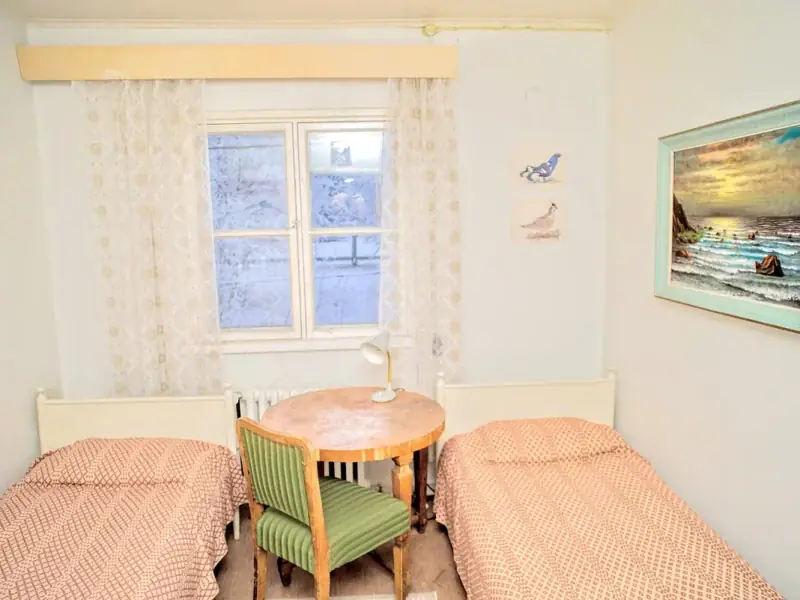
Finding a place to stay in Whangamata comes down to two things: how early you book, and which part of town you land in. Sort those out and the rest — motel, bach, or a powered site at the motor camp — mostly takes care of itself.
Here’s the number that shapes everything: about 4,800 people live here year-round, but from Boxing Day through late January that jumps by roughly 25,000. A four-kilometre queue of boat trailers on Port Road is the normal January backdrop. So the golden rule for Whangamata accommodation is simple — the good stuff goes early.
Quick comparison: what each option costs and suits
| Type | Best for | Rough price / night | Where to book |
|---|---|---|---|
| Holiday home / bach | Families, groups of 6+ | $150–$600+ | Bookabach, Bachcare, Airbnb |
| Motel | Couples, short stays | $100–$220 | Booking.com, direct |
| Motor camp / cabin | Budget, campervans, tents | $25–$100 | Direct booking |
| Airbnb / short-term rental | Couples, small groups | $100–$400 | Airbnb |
| Luxury / B&B | Romantic getaways | $200–$500+ | Booking.com, direct |
| Backpackers | Solo travellers, surfers | $30–$60 pp | Hostelworld, direct |
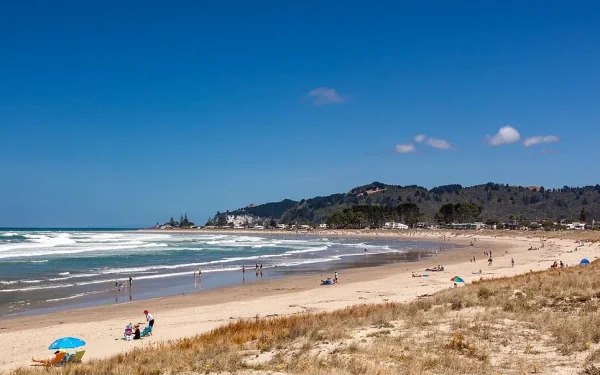
Most beds in town sit within a 5-minute walk of the 6km surf beach — which is exactly why they sell out over Christmas
When to book (and when to just skip the peak)
For Christmas and New Year, book three to six months out. That’s not marketing scare-talk — plenty of families rebook the same bach for next summer before they’ve even packed the car to leave.
What catches most people out is late March. The Whangamata Beach Hop — the country’s biggest rock ‘n’ roll and classic-car festival — packs the town for about five days, and rooms vanish and prices climb the same way they do at New Year. If you’re not coming for the hot rods, avoid that week.
The sweet spot is the shoulder: November, early December, and April once Beach Hop has cleared out. You still get warm, settled weather, but rates drop and you can actually get the beachfront place you wanted. It’s the local’s-worst-kept secret.
The main options, in plain terms
Baches and holiday homes
Renting a bach is the classic Whangamata trip. Hundreds of privately owned homes go on Bookabach, Bachcare and Airbnb, from tired-but-cheerful fibrolite cottages to architect-built places sleeping ten with a spa on the deck.
For a group, this is almost always the best value. Split a $400-a-night house six ways and you’re under a motel rate each, with a kitchen and a barbecue thrown in.
Motels along Port Road
A cluster of motels sits on and around Port Road — Breakers, South Pacific, Palm Pacific and Blake Court among them. You get a self-contained unit with cooking gear, off-street parking, and a short walk to the shops and sand. Good for couples or a two-night stopover when you don’t want the faff of a whole house.
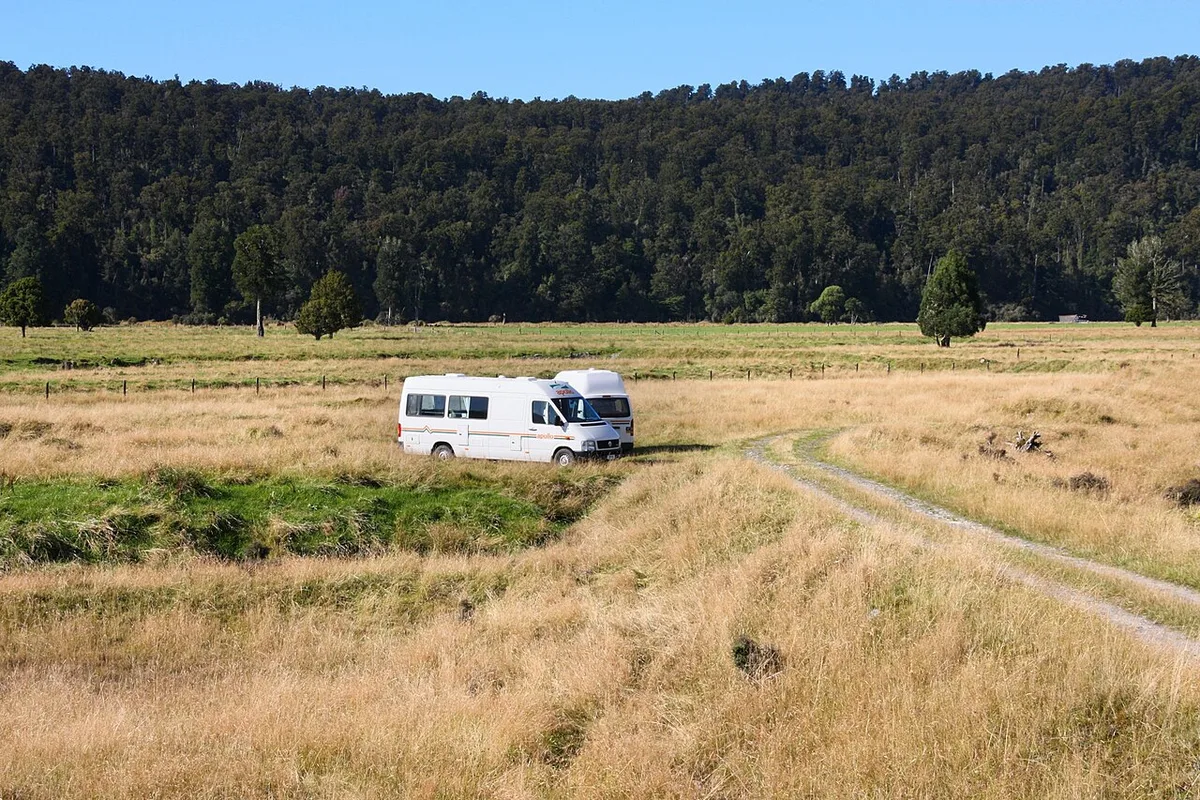
The motor camp is the cheapest way to stay in town — and often the most social
Whangamata Motor Camp
If budget’s the priority, the Whangamata Motor Camp at 104 Barbara Avenue is the pick. It’s under 100 metres from the beach and closer still to Port Road, with 70-plus powered sites on flat grass and eight cabins built to look like 1950s beach baches, small kitchen and all.
There’s a communal kitchen, laundry, dump station, a kids’ playground and a wet-weather “Chill Out Room” for when the Coromandel decides to rain sideways. Two things worth knowing: the speed limit inside is a strict 5km/h, and dogs aren’t allowed from 20 December to 31 January or during Beach Hop.
Airbnb, backpackers and the top end
The Airbnb scene is busy — a private room in someone’s home for a night, or a whole house for the week. Solo surfers chasing the Whangamata Bar tend to head for backpacker beds from around $30. At the other end, a handful of boutique lodges and B&Bs run $200–$500+ for the anniversary-weekend crowd.
Which part of town actually suits you
People fixate on beachfront, but it isn’t automatically the best call. Here’s how the areas really differ:
- Ocean Road & The Esplanade (beachfront): waves as your soundtrack, sand at the door. Priciest, books first. Ideal for surfers and beach-all-day families.
- Central, near Port Road: cafes, the dairy and fish-and-chips a stroll away. Handy if you’re carless.
- South end: quieter, gentler for little kids, still an easy walk to the water.
- Harbour side: where the boaties and fishers base up — think early mornings and a boat ramp, not surf.
A quick real-world example
Say you’re four adults coming for a long weekend in November. A two-bedroom bach a block back from the beach runs maybe $220 a night — cheaper than two motel units, with room to cook and a deck for the evening. You skip the summer crush, the water’s warming up, and you’ll probably have a stretch of beach to yourselves at 8am. That combination is hard to beat, and it’s the trip most first-timers wish they’d booked.
The takeaway
If your dates are locked to Christmas, New Year or Beach Hop, book now and take what’s available. If they’re flexible, aim for November or April, pick your area before your property type, and you’ll get a better place for less money. Start with the bach listings for groups or the Port Road motels for a short couples’ stay.
Related guides
- Whangamata Beach — the reason everyone comes
- Things to Do in Whangamata — plan your days
- Whangamata Weather — best time of year to visit
- Family Accommodation — baches, camps and family stays
- Whangamata Beach Hop — where to stay for the festival