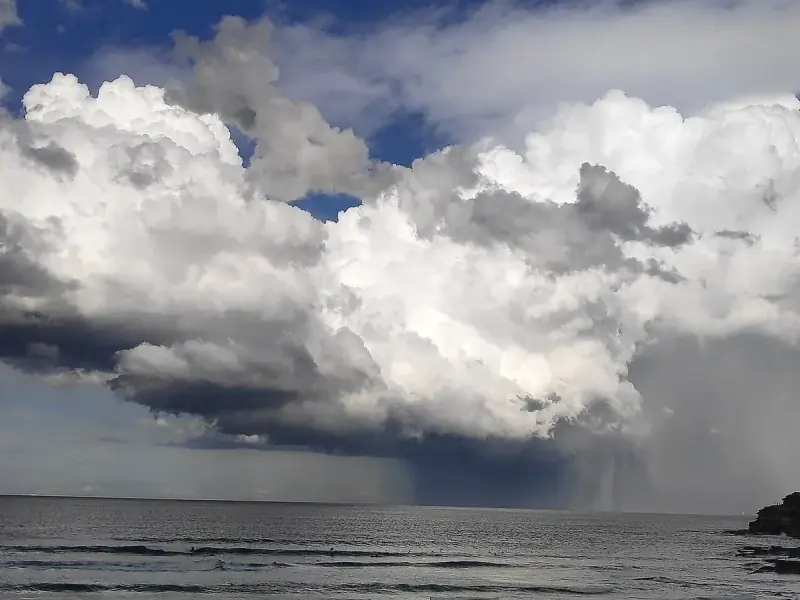
🌤 Whangamata Weather Forecast — Live Updates
For the current Whangamata weather forecast and 7-day outlook, check the official sources below. MetService is New Zealands official weather provider.
Whangamata Weather Today
Whangamata enjoys one of the warmest and sunniest climates in the Waikato region. Located on the eastern coast of the Coromandel Peninsula, the town benefits from a maritime climate that brings warm summers, mild winters and plenty of sunshine year-round.
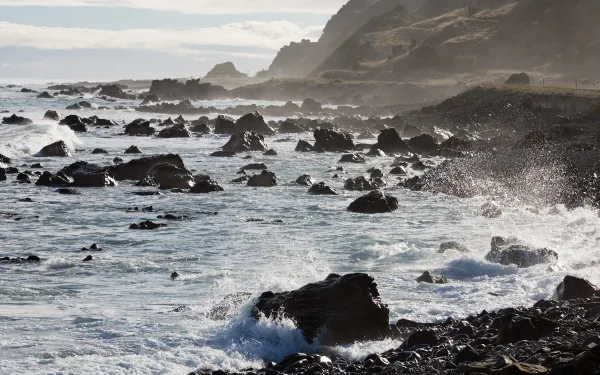
The Coromandel coast enjoys warm summers and mild winters — Whangamata averages over 2,000 sunshine hours per year
The weather in Whangamata is influenced by its sheltered position behind the Coromandel Range, which blocks much of the prevailing westerly weather. This means the town often stays dry and sunny while the western side of the peninsula receives rain.
Whangamata Climate Overview
Summer temperatures in Whangamata typically range from 20°C to 28°C, with occasional hot days pushing above 30°C. The sea temperature reaches a comfortable 20-22°C by late January, making it ideal for swimming, surfing and water sports.
Winter is mild compared to inland areas, with daytime temperatures usually between 12°C and 16°C. Frost is rare at sea level, though the ranges behind town can get cold overnight. Rainfall is spread fairly evenly through the year, with slightly more in winter and spring.
Monthly Weather Averages
- December to February (Summer): 20-28°C, 7-8 hours sunshine daily, sea temp 19-22°C
- March to May (Autumn): 14-22°C, 5-6 hours sunshine, sea temp 18-21°C
- June to August (Winter): 8-16°C, 4-5 hours sunshine, sea temp 14-16°C
- September to November (Spring): 12-20°C, 6-7 hours sunshine, sea temp 15-18°C
Best Time to Visit Whangamata
The peak season runs from mid-December through to the end of January, when the town swells from around 4,000 permanent residents to over 40,000 holidaymakers. The weather is at its best, with long sunny days and warm ocean water.
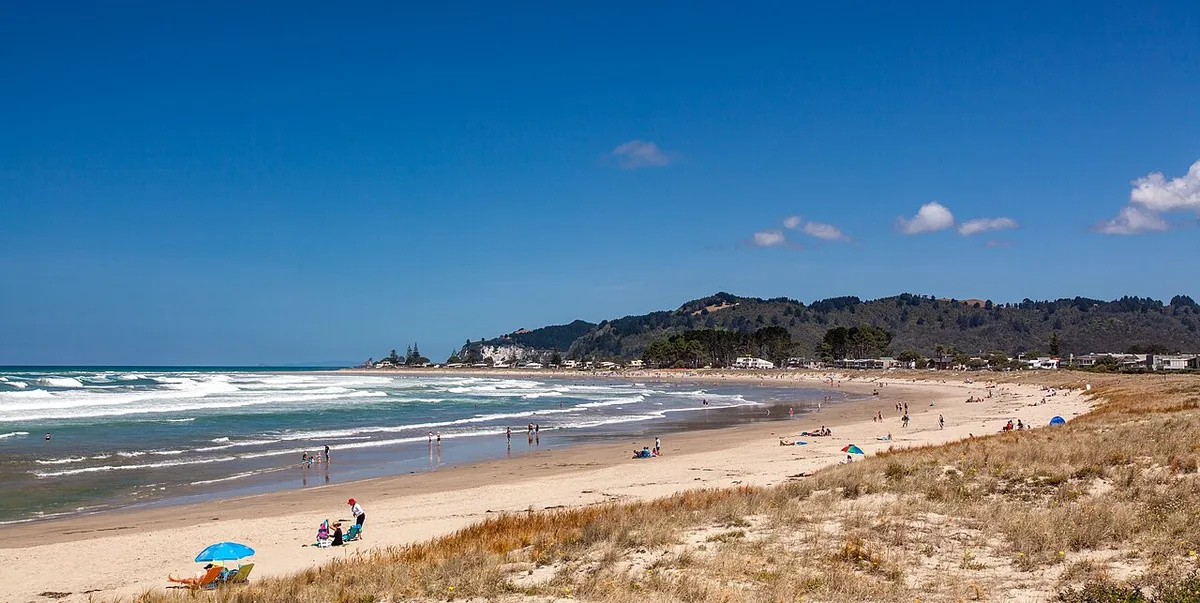
Summer in Whangamata delivers long sunny days — December to March is peak season with temperatures regularly reaching 25°C+
For a quieter experience with still-excellent weather, consider visiting in late February or March. The crowds have thinned, accommodation prices drop, and the sea temperature is actually at its warmest. The famous Beach Hop festival typically falls in late March, bringing a different energy to town.
Spring (October-November) is another excellent window. The pohutukawa trees begin to bloom, the surf is often at its best, and you will have the beach largely to yourself.
What to Wear in Whangamata
In summer, pack light clothing, swimwear, sunscreen (SPF 50+ recommended — the NZ UV index is intense), a sun hat and jandals. Even in summer, bring a light jacket for evenings as coastal breezes can be cool after sunset.
In winter, layer up with a warm fleece or jersey, a waterproof jacket and closed shoes. The coast can be exposed to southerly winds which make it feel colder than the thermometer suggests.
Marine Weather & Wind
For boaties and beachgoers, the marine weather in Whangamata is a key part of the daily forecast. The area typically experiences moderate sea breezes that build in the afternoon, with calmer conditions in the early morning. For detailed planning, always check the official MetService marine forecast, which provides crucial updates on swell, wind waves, and any potential warnings. Many locals also cross-reference with tools like Windguru Whangamata for granular wind models. The best boating conditions are usually found in the mornings before the nor’easter kicks in, or during periods of settled high pressure. Before you head out, a quick look at the whangamata rain radar can help you avoid any passing showers moving in from the Coromandel ranges.
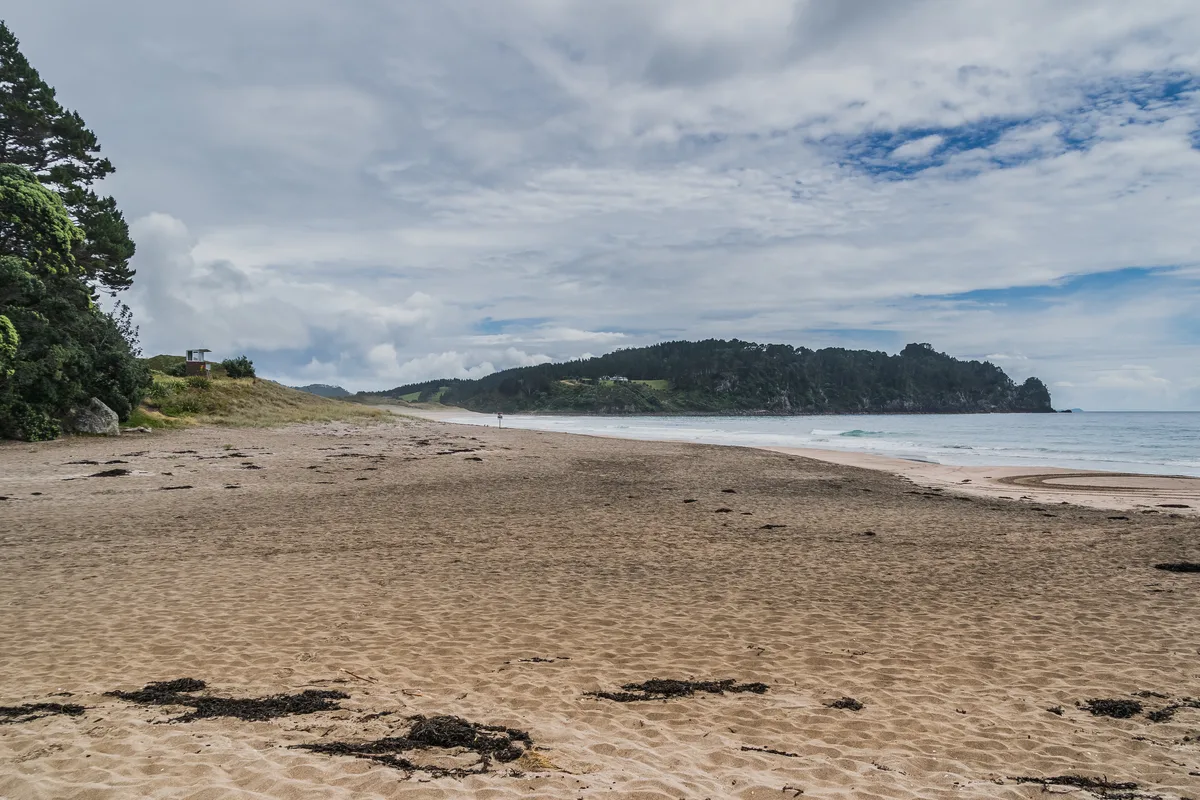
The Coromandel Peninsula enjoys some of New Zealand’s best beach weather — warm, sheltered and reliably sunny from November to April
UV Index & Sun Safety
The UV index Whangamata reaches extreme levels during the summer months, regularly hitting 10+ (Very High to Extreme). This intense radiation means unprotected skin can burn in under 15 minutes. In winter, UV levels drop to a moderate 3-4, but protection is still advised. Regardless of the season, if you’re checking the weather Whangamata NZ for a sunny day, follow these tips: seek shade between 10am and 4pm, wear a broad-brimmed hat and UV-blocking sunglasses, and apply broad-spectrum SPF50+ sunscreen liberally and every two hours. Remember, UV rays can penetrate cloud cover, so don’t be fooled by a cool breeze or overcast skies.
Whangamata Weather by Season
Knowing the seasonal patterns helps immensely with packing and planning your visit. Here’s a month-by-month snapshot of what to expect from Whangamata weather:
- December – February (Summer): Warm to hot, with average highs of 22-24°C. Evenings are mild. Pack swimwear, sunscreen, a hat, light clothing, and a jersey for cooler nights. This is peak beach season.
- March – May (Autumn): Arguably the most settled weather. Warm, sunny days and cool, crisp nights. Sea temperatures remain swimmable. Pack layers for the shifting temperatures.
- June – August (Winter): Mild compared to much of NZ, with highs around 14-16°C. Frost is rare. Expect more rainfall and occasional southerly storms. Pack a warm waterproof jacket, boots, and indoor activity plans.
- September – November (Spring): Variable and often windy. Days can be warm and sunny or cool and showery. Pack a bit of everything – t-shirts, a raincoat, and a jumper. The famous Whangamata winds are frequent.
For a more immediate outlook, always check the Whangamata weather tomorrow or a trusted yr weather Whangamata forecast. For broader planning, a long range weather Whangamata outlook can give a general trend.
Rainy Day Activities
When the weather turns, Whangamata offers plenty of cosy escapes. Catch the latest blockbuster at the local Whangamata Cinema, a classic theatre with modern sound. For a caffeine fix and a good book, settle into one of the town’s excellent cafes. Op shop enthusiasts can find hidden treasures at the various charity stores along the main road. If you’re after a classic Kiwi pub experience with friendly locals, the Whangamata RSA is a welcoming spot for a meal and a drink. Monitoring the whangamata rain radar can help you time a dash between activities, and checking the Whangamata weather 7 day forecast or even the Whangamata weather 14 days outlook can help you reschedule beach time for a sunnier day.
Related Guides
- Whangamata Tide Times — plan your beach visit around the tides
- Whangamata Surf Cam — check live conditions before you go
- Things to Do in Whangamata — activities in all weather
- Whangamata Accommodation — book your stay
- Whangamata Beach — swimming, surfing and beach access