🌊 Whangamata Tide Times — Get Todays Times
Tide predictions for Whangamata are provided by MetService and LINZ (Land Information New Zealand). Click below for live, up-to-date tide tables:
Whangamata Tides Today
Knowing the tide times in Whangamata is essential for safe swimming, fishing, surfing, shellfish gathering and boating. The tides at Whangamata Beach follow a semi-diurnal pattern, meaning there are two high tides and two low tides every 24 hours and 50 minutes.
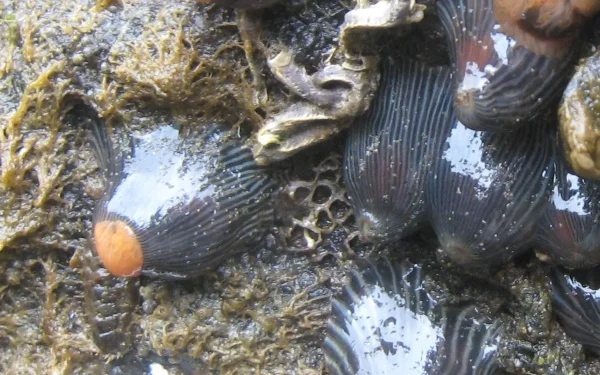
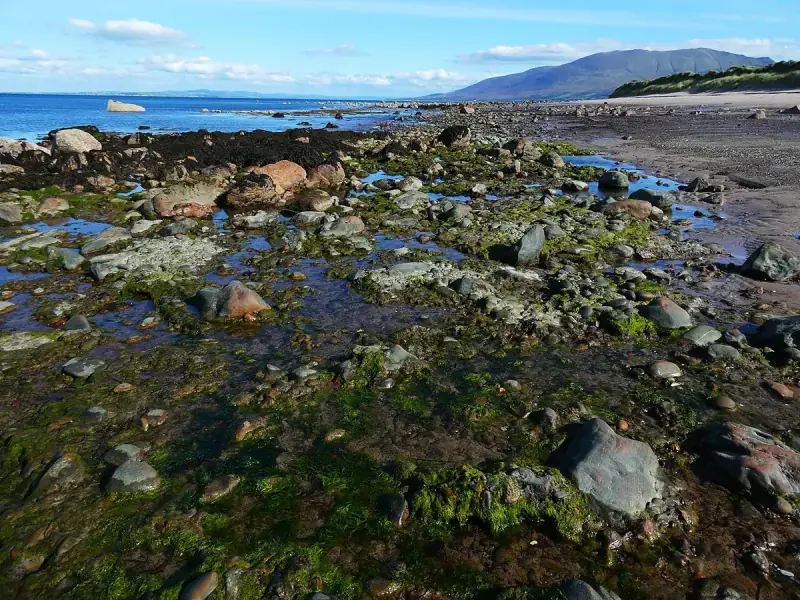
Low tide exposes rock platforms and marine life along the New Zealand coast — Whangamata’s tidal range is around 1.8 metres
Whangamata sits within the Bay of Plenty tidal zone. Tidal ranges here are moderate, with spring tides (around the full and new moon) producing the largest difference between high and low water. Neap tides (around quarter moons) produce smaller tidal ranges.
Understanding Whangamata Tides
High Tide at Whangamata
At high tide, the beach narrows significantly, especially along the main beach near the surf club. The rocks at the northern end of the beach become mostly submerged, and the harbour entrance fills completely. High tide is generally the best time for surfing at the main break, as the waves have more shape and power over the deeper sandbanks.
Low Tide at Whangamata
Low tide reveals a wide expanse of firm sand, perfect for beach walks, cricket, and exploring rock pools at either end of the beach. The harbour bar becomes shallow and can be dangerous for boats — always check the tide before crossing. Low tide is also the best time for collecting tuatua (shellfish) along the beach.
Tide Times for Fishing
Local fishers know that the best fishing around Whangamata tends to occur during the tidal changes — the two hours either side of high or low tide. The moving water stirs up baitfish and creates feeding opportunities for snapper, kahawai and trevally.
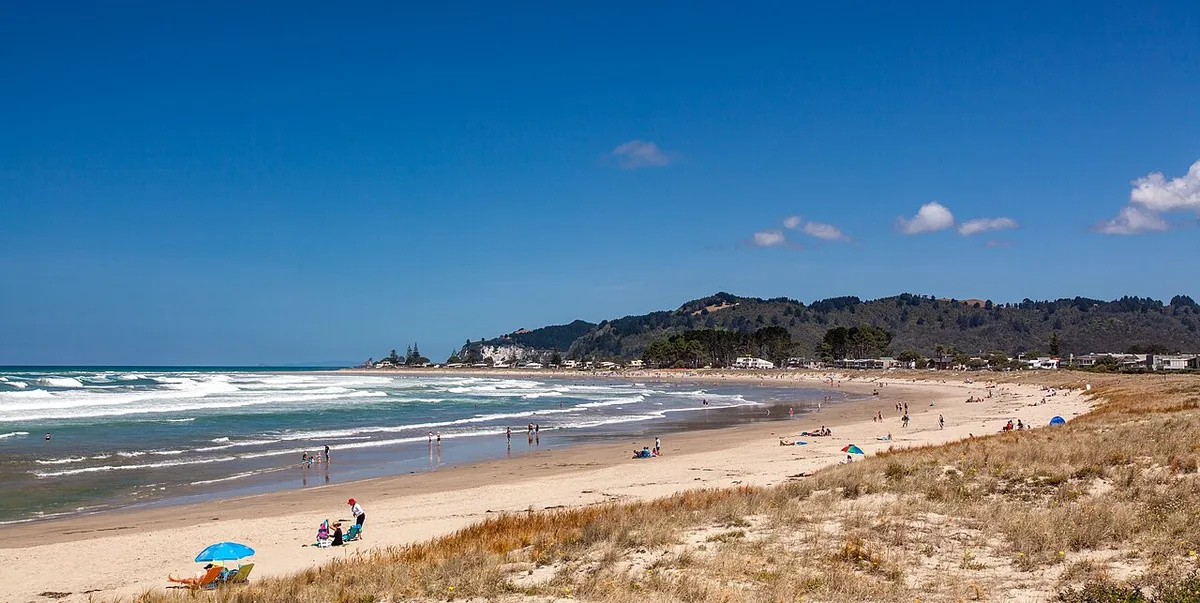
Whangamata Beach at low tide exposes wide stretches of sand — ideal for walking, shellfish gathering and launching surfboards
For harbour fishing, the incoming tide is generally best as it brings fish into the estuary. For rock fishing at Clark Island or the harbour entrance, an outgoing tide can produce excellent results as baitfish are swept past the rocks.
Whangamata Harbour Bar
The Whangamata harbour bar is one of the most dangerous stretches of water on the Coromandel coast. Boat skippers should only cross the bar in calm conditions and around high tide when water depth is greatest. The bar shifts regularly, so local knowledge is essential. Check with the Whangamata Marina or Coastguard before heading out.
Where to Check Tide Times
Tide times for Whangamata are published daily by MetService and LINZ (Land Information New Zealand). You can also find tide charts displayed at the Whangamata Surf Club, the Marina, and several shops along Port Road. Mobile apps like MetService, Tides NZ and Magic Seaweed also provide accurate local predictions.
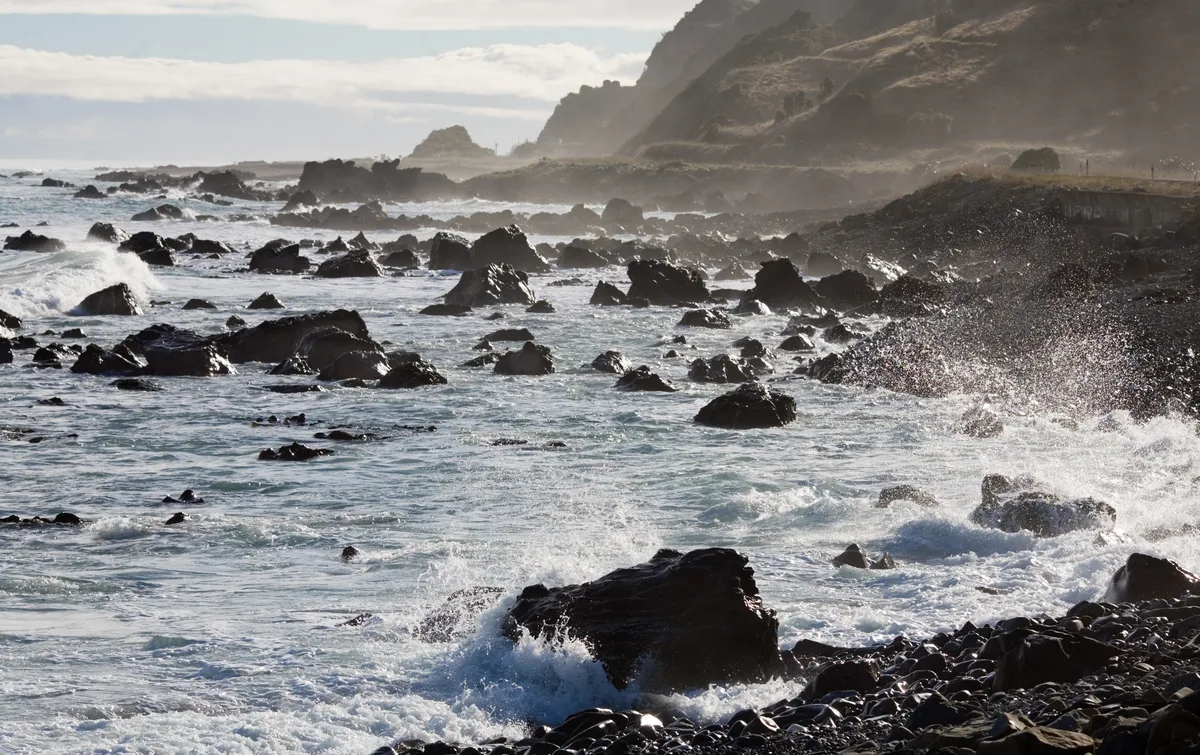
Tidal conditions on the Coromandel coast change dramatically between high and low water — checking the tide table is essential before heading to the beach
Understanding Whangamata Tides – Spring vs Neap Tides, How Moon Affects Tides, King Tides
The daily rhythm of the Whangamata coastline is governed by the tides, a celestial dance primarily between the moon, sun, and Earth. Understanding these patterns is key to planning your visit, whether you’re checking whangamata tide times today or a whangamata tide chart for the week ahead.
The moon’s gravitational pull is the main driver, creating a bulge of water on the side of Earth facing it. We experience this as a high tide whangamata today. The sun also exerts influence. When the sun and moon align (at new and full moons), their gravitational forces combine to create higher high tides and lower low tides—these are called spring tides (nothing to do with the season). Conversely, when the sun and moon are at right angles (first and last quarter moons), their pulls partially cancel out, resulting in less extreme neap tides with smaller tidal ranges.
Occasionally, you may hear about “king tides,” which are exceptionally high spring tides that occur when the moon is at its closest point to Earth (perigee). These events can cause coastal inundation and are a dramatic sight, but require extra caution near the water’s edge.
Best Activities by Tide
Matching your activity to the correct tide state is the secret to a fantastic Whangamata experience. Always cross-reference with the latest tides whangamata today or whangamata tides tomorrow from a trusted source like whangamata tides metservice.
Fishing
The incoming tide is often considered prime time. Bait is washed in and fish move into the estuaries and onto sandbars to feed. Plan your trip around the start of the incoming tide towards the next whangamata high tide times.
Surfing
Whangamata’s famous surf breaks typically work best on a mid to rising tide. A very full tide whangamata can swamp out the waves, while a very low tide can make them break too harshly. Check the whangamata tide chart for the sweet spot.
Kayaking to Donut Island (Whenuaote)
Paddling to this iconic landmark is best done at or near high tide whangamata today. A high tide allows easier access through the island’s inner lagoon and provides more water over any shallow sections.
Shellfish Gathering
For cockles or pipis, you need a low, low tide. This is when the vast intertidal sand flats are exposed. Knowing precisely when is low tide whangamata is crucial—aim to go an hour before the lowest point for the best gathering.
Whangamata Bar Crossing
The entrance to Whangamata Harbour has a shifting sand bar that requires respect and careful planning. The state of the tide is the most critical factor for a safe crossing.
The tide impact on harbour bar is significant. Waves break heavily on the bar at low tide, especially with any swell. The safest crossing times are typically on a rising tide, around 2 hours after the published when is low tide whangamata time, up to high tide. Avoid the outgoing tide, which can create dangerous standing waves.
Always monitor the official Coastguard channel (VHF 63) for local bar reports and conditions before attempting to cross. Never rely solely on knowing when is high tide whangamata; assess the actual conditions on the day. If in doubt, don’t go out.
Related Guides
- Whangamata Beach — surf, swimming and beach guide
- Whangamata Surf Cam — live wave conditions and surf forecast
- Whangamata Surf Forecast — swell predictions and wind
- Whangamata Weather — 7-day forecast and climate guide
- Donut Island — tides affect access, check before you go