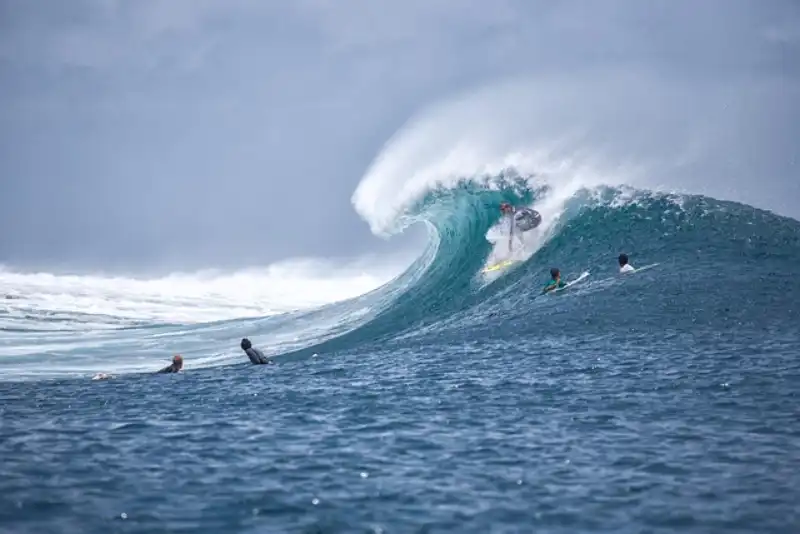
Whangamata’s iconic surf beach is set to deliver a powerful autumn spectacle this week, with a long-period south-westerly swell expected to peak at 2.5 metres by Wednesday afternoon. But with the dynamic conditions comes a stark warning from local surf lifesavers: the rip currents are treacherous, and the harbour bar crossing is not for the faint-hearted.
As of Tuesday morning, the surf camera at Whangamata Beach showed clean, glassy 1.8-metre waves breaking in consistent sets off the main beach, with light offshore winds providing ideal barrelling opportunities for experienced surfers. However, the Thames-Coromandel District Council’s coastal monitoring unit has flagged a significant increase in wave energy, driven by a deep low-pressure system sitting 800 kilometres south-east of the Coromandel Peninsula.
“This is a classic autumn groundswell,” said Dave Mitchell, a senior oceanographer contracted by the council. “The energy is arriving from a long fetch, which means the period between waves is around 16 seconds. That’s a lot of water moving, and it creates very strong, pulsing rips that can shift position quickly. We are advising anyone who is not a strong, confident swimmer to stay out of the water between the flags—and even then, be cautious.”
The warning comes on the back of a busy weekend for the Whangamata Surf Life Saving Club (WSLSC). Club duty officer Sarah Thompson confirmed that patrols performed 14 rescues and issued more than 200 preventative warnings on Saturday alone, when a separate localised squall caught many swimmers off guard.
“We had a father and son from Auckland who were caught in a rip off the northern end near the rocks at Williamson Park,” Thompson said. “They were lucky—a couple of our IRB (inflatable rescue boat) crew were already on the water running a training drill and pulled them out within minutes. The dad was exhausted; he told us he thought they could just swim against it. That’s the classic mistake.”
Thompson stressed that the flagged area, which runs from the main surf club tower at Beach Road down to the southern access point, remains the safest zone. However, she noted that shifting sandbars have made the surf break more unpredictable than in previous seasons.
“The bar has moved around a lot since the winter storms. We’ve got a deep gutter running parallel to the shore about 40 metres out, and that’s funnelling water south. If you’re not sure where the rips are, ask one of our patrollers before you go in. We’re here to help, not to spoil anyone’s day.”
Harbour Bar Crossing: A Nautical Hazard
While the surf beach dominates attention, local boaties are facing a different kind of danger. The Whangamata Harbour bar, which connects the inner harbour to the open sea via the entrance near the end of Port Road, has been rated a “high-risk” crossing by the Coastguard Whangamata unit.
Harbour master and Coastguard volunteer Rob Ellery has been monitoring the bar’s shifting sand shoals. He reported that the main channel has moved approximately 50 metres to the east over the past month, and that a significant sandbank has built up on the western side.
“We’ve had three vessels touch bottom in the last fortnight, and one small trailer boat had to be towed off after its propeller dug in,” Ellery said. “The bar is not a place to be crossing at low tide, especially with this swell running. The waves are breaking right across the entrance, and there’s a strong ebb tide pushing out against them. That’s a recipe for a broach.”
Ellery advised that the safest crossing times are within two hours either side of high tide, and only for vessels with a draft of less than 1.2 metres. He also reminded skippers to check the Coastguard’s daily bar report, which is posted at the Port Road boat ramp and on the Whangamata Community Facebook page.
“We’ve had a few near-misses over the years, and we don’t want a tragedy. If in doubt, don’t go out,” he added.
Business and Community Response
The surf conditions have been a mixed blessing for local businesses. Dave’s Surf Shack on Beach Road reported a bumper weekend for board sales and wetsuit rentals, but owner Dave Miller expressed concern about the safety implications.
“It’s great to see the town buzzing, but I’ve had to turn away three teenagers who wanted to hire boards with no leash and no wetsuit. That’s just not on. The water temperature is still 17 degrees, and if you get caught out in that swell without a wetsuit, you’re in trouble within 20 minutes,” Miller said.
Whangamata Community Board chairperson Jenny Wilson acknowledged the dual nature of the conditions.
“We are a surf town. We love the ocean, and the swell brings energy to the place. But we also have a responsibility to look after visitors. The council’s signage at the main beach access points is being updated this week, and we’re working with the surf club to install additional rip-current warning flags at the northern end,” Wilson said.
Mayor Len Salt, who was visiting Whangamata on Tuesday, echoed those sentiments.
“The Thames-Coromandel District Council is committed to keeping our coastlines safe. We’ve allocated additional funding for seasonal lifeguard patrols, and we’re in talks with the WSLSC about extending their patrol hours into the evening during the Easter school holidays,” Salt said. “But the bottom line is personal responsibility. Check the conditions, listen to the lifeguards, and if you’re not sure, stay on the sand.”
What’s Next
The swell is expected to ease gradually from Thursday, with wave heights dropping to around 1.2 metres by the weekend. The MetService forecast for Whangamata shows light north-easterly winds developing on Friday, which should create cleaner, more user-friendly conditions for recreational swimmers.
The WSLSC will maintain patrols from 9:00 AM to 5:30 PM daily through to the end of April. The club is also hosting a free “Surf Aware” session at the clubrooms on Beach Road this Saturday at 10:00 AM, open to all locals and visitors.
Coastguard Whangamata will continue to run bar condition reports twice daily, and advise all skippers to tune into VHF Channel 16 before attempting the crossing.
As the autumn weather patterns shift, Whangamata’s coastline remains a dynamic and breathtaking environment. But as the locals say: respect the ocean, and it will respect you.
—
Frequently Asked Questions
What are the current surf conditions at Whangamata Beach?
As of Tuesday, the surf is running at 1.8 metres with a 16-second period, expected to peak at 2.5 metres on Wednesday. The water temperature is 17 degrees Celsius, with light offshore winds creating clean, powerful waves. The surf is best suited to experienced surfers; strong rips are present.
Is it safe to cross the Whangamata Harbour bar?
The Coastguard has rated the bar as high-risk due to a shifted sandbank and breaking waves across the entrance. Cross only within two hours either side of high tide, and check the daily bar report at the Port Road boat ramp or on VHF Channel 16. Vessels with a draft over 1.2 metres should avoid crossing until conditions improve.
When are the lifeguards on patrol?
Whangamata Surf Life Saving Club patrols the main beach daily from 9:00 AM to 5:30 PM. Patrols will continue through to the end of April, with extended hours planned for the Easter school holidays. Always swim between the red and yellow flags.