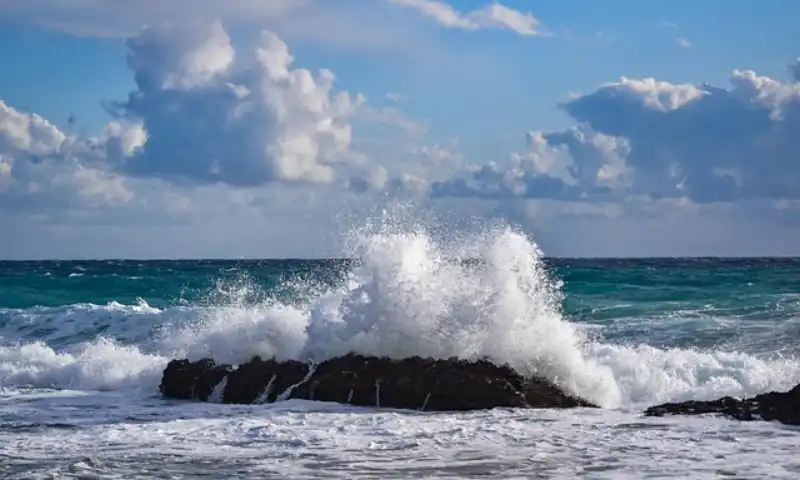
The first signs of spring have arrived in Whangamata, but with them comes a familiar anxiety for residents along the harbour and Beach Road foreshore. After a winter that delivered 40 percent above-average rainfall and three separate king tide events, the Thames-Coromandel District Council (TCDC) has confirmed that coastal erosion monitoring is now at its highest level since the 2018 storms.
“The sand spit at the harbour entrance has migrated nearly 15 metres north since April,” says TCDC coastal operations manager, Sarah Mitchell. “That’s a significant shift. It means the main channel is shallower than usual, and boaties are already reporting draft issues near the bar.”
The spit, which separates the open ocean from the sheltered harbour, is a dynamic feature but one that has become increasingly volatile. Local surf lifesaving club president, Dave Rawson, who has patrolled Whangamata Beach for 22 years, says the recent weather pattern is unlike anything he has recorded.
“We’re seeing a compounding effect. The west-southwest swells are arriving earlier, and the southerly winds are lingering for days. That combination is stripping sand from the northern end of the beach and dumping it onto the spit. It’s a natural process, but the speed is alarming,” Rawson said.
Record rainfall and warmer seas
According to the National Institute of Water and Atmospheric Research (NIWA), the Coromandel Peninsula experienced its third wettest July on record. Whangamata’s automatic weather station, located near the golf course on Port Road, logged 312mm of rain in July alone—compared to the long-term average of 178mm.
“We’ve had 14 consecutive days of measurable rain at one point in June,” says local dairy farmer and weather observer, John Henderson, who has kept daily records from his property on SH25 for 35 years. “The ground is saturated. The streams running into the harbour are carrying sediment loads I haven’t seen since Cyclone Bola.”
Marine ecologists are also noting a shift in water temperatures. The harbour’s average surface temperature in August was 14.8°C, nearly two degrees warmer than the 20-year average. That has triggered an early bloom of sea lettuce (Ulva lactuca) around the Williamson Park mudflats, which is already decomposing and creating a noticeable odour.
“It’s not harmful, but it’s unsightly and it can deplete oxygen in the shallows if it mats thickly,” explains Dr. Hannah Lee, a marine biologist with the Waikato Regional Council. “We’re advising locals to avoid disturbing the larger patches. Raking them speeds up decomposition and releases nutrients that fuel further growth.”
DOC conservation update: dotterel nesting sites
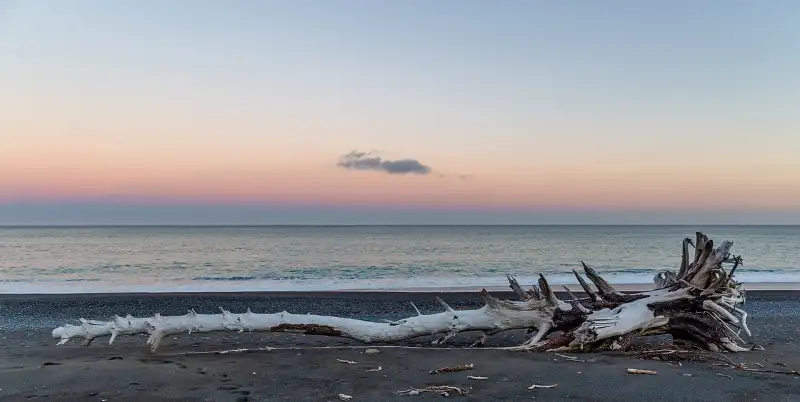
The Department of Conservation (DOC) has announced that the threatened northern New Zealand dotterel has returned to Whangamata Beach earlier than usual. DOC ranger, Mike Thompson, confirmed that at least four pairs have been sighted near the dune system opposite the surf club on Beach Road.
“We’re setting up temporary predator traps and fencing today,” Thompson said. “The early arrival is likely linked to the mild winter and abundant food supply in the harbour. But it also means more human disturbance risk—dogs off-leash and vehicles on the beach are the biggest threats.”
Thompson urged residents to keep dogs on leads between the flagged areas and the estuary mouth until March. DOC has also scheduled a community volunteer day on Saturday, 14 September, to plant 800 native spinifex and pingao grasses along the foredunes. Volunteers are asked to meet at the Williamson Park carpark at 9am.
Marine environment: shellfish warning and water quality
The Waikato Regional Council’s latest recreational water quality report, released last week, gives Whangamata Harbour a “poor” rating for the second consecutive month. High faecal coliform counts were recorded near the town wharf and the marina entrance on Port Road. The likely cause is stormwater runoff from the recent heavy rains, combined with an overflow event from the council’s wastewater network on 12 August.
“We had a pump station failure during a 50mm downpour,” says TCDC infrastructure manager, Paul Bennett. “It was a mechanical issue, not a capacity problem. We’ve since replaced the impeller and increased standby power. But yes, a small volume of untreated discharge did enter the harbour. That’s why we posted warning signs.”
As a result, the council advises against collecting shellfish (including cockles and pipis) from the harbour mudflats until further testing shows improvement. The next scheduled sampling is set for 9 September.
What’s next: spring tides and community action
Looking ahead, the MetService forecasts a strong spring tide sequence from 19 to 24 September, with predicted high tides reaching 3.6 metres—just 20 centimetres below the level that caused flooding on Beach Road in 2018. TCDC has pre-positioned sandbags at the Beach Road boat ramp and the harbour reserve.
“We’re not predicting a breach,” Mitchell said. “But we’re asking residents to move kayaks, trailers, and any loose gear above the high-water mark. It’s a simple precaution.”
The council is also hosting a public drop-in session on coastal resilience at the Whangamata Community Centre on Thursday, 19 September, from 5:30pm to 7:30pm. Staff will present draft options for a long-term beach nourishment plan, which may include sourcing sand from a licensed offshore site.
Local business owner, Maria Santos, who runs a café on Beach Road, says the community is eager for action. “We’ve seen the road undercut twice in the last five years. It’s not just about the beach—it’s our livelihoods and our access route. We need a plan that’s funded and implemented, not just discussed.”
FAQ: Whangamata weather and environment
Is it safe to swim at Whangamata Beach right now?
Yes, the open ocean beach is rated “good” for swimming. The “poor” rating applies only to the harbour near the wharf and marina. Always check the latest signage or the Land Air Water Aotearoa (LAWA) website before entering the water.
When will the shellfish ban be lifted?
The advisory will be reviewed after the next water sampling on 9 September. If two consecutive samples show safe bacterial levels, the warning will be lifted. Expect an update by mid-September.
How can I help with the dotterel conservation?
Keep dogs on leads near the dunes, stay out of fenced nesting areas, and join the DOC volunteer planting day on 14 September at Williamson Park. For more details, contact the Thames DOC office on 07 867 8000.