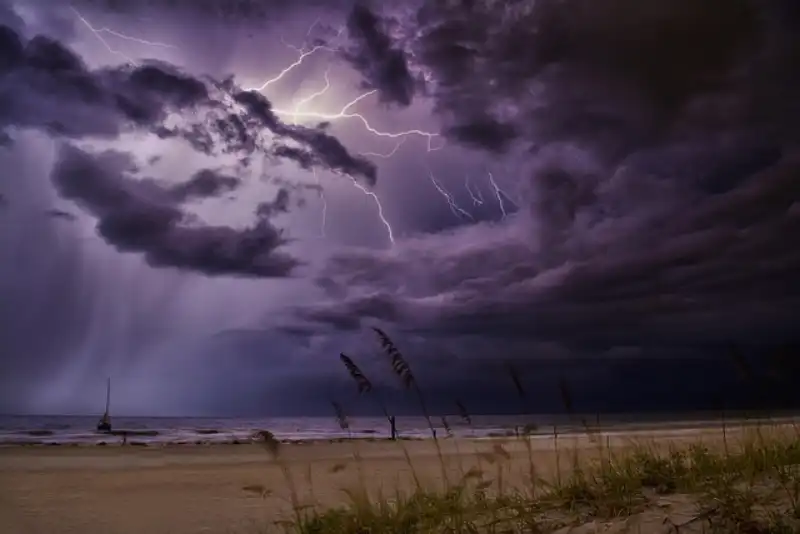
Whangamata is emerging from one of its wettest winters in recent memory, and the effects are being felt from the dunes of Williamson Park to the waters of the harbour, as local authorities, conservationists and residents take stock of a season that has reshaped parts of the coastline and sharpened focus on the town’s environmental future.
According to figures compiled from the local weather station near Beach Road, the town recorded more than 640 millimetres of rain across June, July and August — well above the long-term seasonal average — with a particularly intense band of weather in mid-July prompting surface flooding on Port Road and closing sections of SH25 north of town for several hours. Since then, a run of settled, mild spring days has lifted spirits, but the legacy of the wet winter is written clearly along the foreshore.
Coastal Erosion Accelerates at Williamson Park
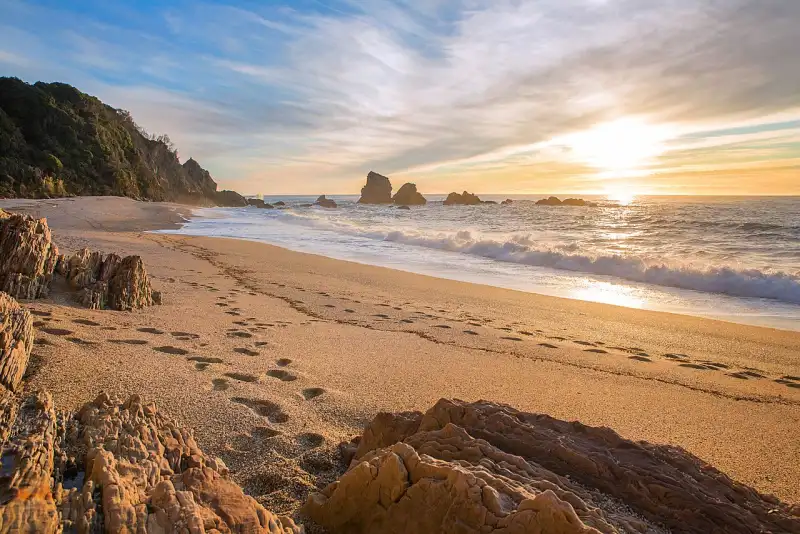
The most visible impact is at Williamson Park, where the dune line fronting the beach has retreated noticeably, exposing root systems of pōhutukawa and undercutting sections of the grassed reserve. Thames-Coromandel District Council coastal staff have been monitoring the site since a series of king tides combined with heavy swell in late July scoured sand from the upper beach.
“We’ve seen maybe three to four metres of dune loss in the worst-affected stretch, which is significant in a single season,” said TCDC coastal engineer Maree Tautari. “Williamson Park is a taonga for this community, and we’re working with mana whenua and the local reserve committee on a staged planting and sand-binding programme. But I want to be clear — this is not a problem we can engineer our way out of with a seawall. Hard structures tend to shift erosion elsewhere.”
The council has scheduled a public drop-in session at the Whangamata Community Library on Beach Road later this month to present its coastal hazard assessment and gather feedback on options, which range from managed retreat of some reserve infrastructure to dune restoration and pedestrian access realignment.
Businesses Watch the Weather
For the town’s hospitality operators, the wild winter cut both ways. Port Road café owner Hine Rangi said the wet weekends thinned out the usual off-season visitor trade, but the settled start to spring has brought an early lift.
“July was tough — people just didn’t want to drive over the hill in that weather,” she said. “But the last few weeks have been magic, and the bookings for Labour Weekend are already strong. Whangamata always bounces back when the sun comes out.”
DOC Reports Strong Season for Coastal Wildlife
On the conservation front, the Department of Conservation is reporting a solid breeding season for kororā (little blue penguins) at monitored sites around the harbour entrance, with volunteer-led predator trapping in the Whangamata area credited for improved chick survival.
“The community trapping network here is one of the more active on the peninsula,” said DOC ranger Callum Whitiora. “We’ve had good numbers of kororā chicks fledged, and the dotterel nesting at the northern end of the beach has also done reasonably well despite the storm events. The message to dog owners is the usual one — keep them on leads around the dunes and the estuary margins through the nesting season.”
DOC is also reminding boaties that the harbour’s mooring areas and the channels around the Whangamata wharf are subject to summer speed restrictions, with rangers set to increase patrols from November.
Marine Conditions: Warmer Water, Mixed Signs for the Harbour
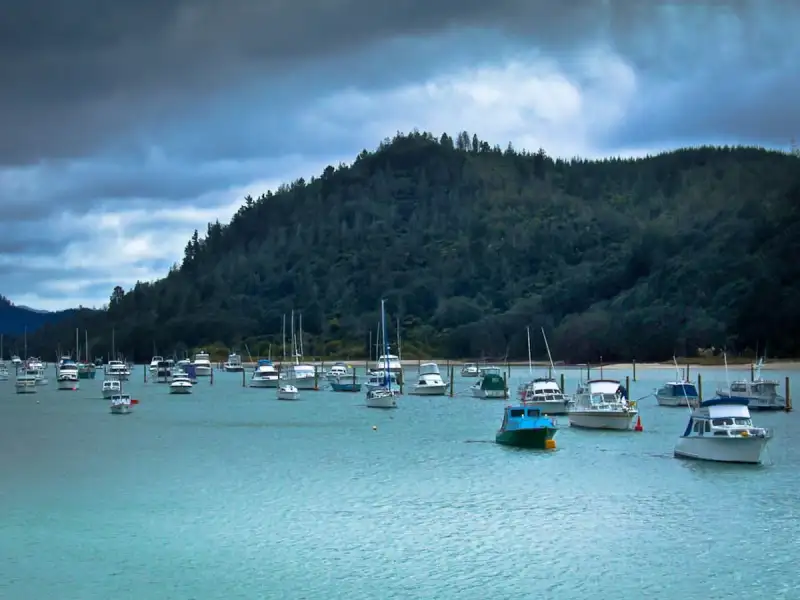
Sea surface temperatures off the Coromandel coast have tracked above average for much of the year, consistent with broader patterns across the Hauraki Gulf. Local divers report good visibility on the offshore reefs near Clark Island, though the harbour itself continues to show the effects of sediment runoff from the winter’s heavy rain.
“After big rain events we always see a pulse of sediment into the estuary, and that stresses the shellfish beds and the seagrass,” said Whangamata Harbour Care spokesperson Dave Morrison. “The water has cleared up nicely now, but it’s a reminder that what happens on the land — subdivision, earthworks, stormwater — ends up in the harbour. Our summer water-quality monitoring programme starts again in November, and we’d welcome more volunteers.”
What’s Next
The TCDC coastal team expects to report back on the Williamson Park options before Christmas, with any physical works unlikely before autumn. The council’s long-term plan process will also weigh funding for stormwater upgrades around Port Road, identified as a flood-risk hotspot. Meanwhile, Harbour Care’s volunteer monitoring resumes in November, and DOC urges residents to report penguin sightings and dog incidents through its local office.
For now, Whangamata is doing what it does every spring — drying out, tidying up, and bracing for the summer crowds.
Frequently Asked Questions
Is the beach at Williamson Park safe to visit?
Yes, the reserve and beach remain open. Visitors are asked to stay off the eroded dune faces and use formed accessways while restoration work is planned.
Why was SH25 closed in July?
Heavy rain and surface flooding forced temporary closures north of Whangamata in mid-July. Waka Kotahi and TCDC advise checking road conditions before travelling during heavy weather events.
How can I help with conservation efforts?
Whangamata Harbour Care welcomes volunteers for its summer water-quality monitoring, and DOC supports local predator-trapping groups. Contact either organisation through their local offices.