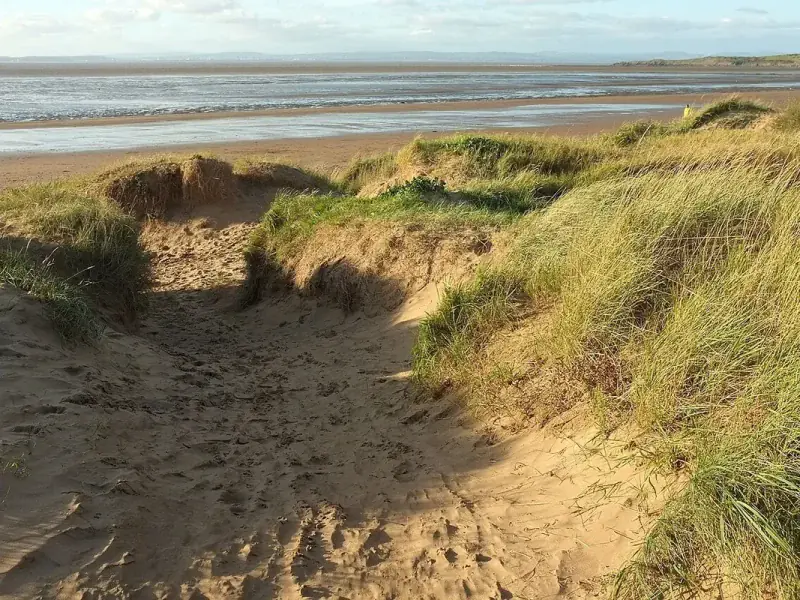
About Whiritoa
Whiritoa is a small, laid-back beach settlement about 12 kilometres south of Whangamata on the Coromandel’s eastern coast. With a permanent population of just a few hundred, it feels like a step back in time — a genuine Kiwi beach village with a classic surf club, a cluster of baches and holiday homes, and a long stretch of surf beach backed by bush-covered hills. It is quieter, less developed and less crowded than Whangamata, which is exactly why the people who love it keep coming back.
The settlement sits at the end of Whiritoa Road, which turns off SH25 between Whangamata and Waihi. The drive from Whangamata takes about 12–15 minutes. From Waihi it is roughly 20 minutes. There is a small general store that opens in summer, but for anything more than basics you will need to drive to Whangamata or Waihi.
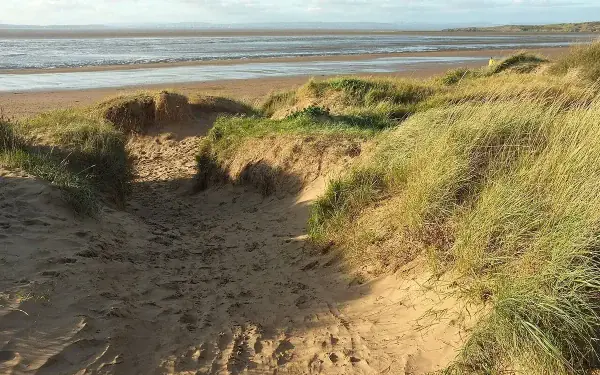
Whiritoa Beach is a 20-minute drive from Whangamata — a quieter surf beach popular with locals
Whiritoa Beach Locations & Features
Whiritoa Beach
Whiritoa Beach is a 2-kilometre stretch of golden-brown sand facing east into the Pacific. The beach picks up plenty of swell and produces solid surf breaks, particularly at the northern and southern ends where the sand meets the rocky headlands. The central section is the safest for swimming, especially when patrolled during summer. At low tide the beach is wide and firm — good for walking the full length. The southern end has interesting rock formations and small caves at the base of the cliffs, accessible at low tide.
Whiritoa Lookout Walk
The Whiritoa Lookout Walk climbs from the northern end of the beach up through coastal bush to a stunning viewpoint overlooking the beach, the coastline and out to the Pacific. The track is well-maintained with steps and handrails on the steeper sections. From the top you get a bird’s-eye view of the entire Whiritoa settlement and beach, with views stretching north towards Whangamata and south towards Waihi Beach on clear days. It is a short, sharp climb but the views are well worth the effort.
Whiritoa Rock Fishing
The rock platforms at the southern end of Whiritoa Beach are one of the best land-based fishing spots in the area. The rocks drop off into deep water relatively quickly, giving access to snapper, kahawai, trevally and kingfish without needing a boat. The best fishing is on an incoming tide, particularly around dawn and dusk. The rocks can also be productive for gathering mussels and kina (in season, with a valid fishing licence and within catch limits). The platforms are broad and relatively easy to access at low tide, but can become dangerous in swell.
Lucky Strike Track
The Lucky Strike Track is a bush walk that connects Whiritoa with the old Lucky Strike goldmine site in the hills behind the settlement. The track passes through regenerating native bush — kanuka, rewarewa, tree ferns and nikau palm — with occasional glimpses of the coast through gaps in the canopy. At the mine site you can see the remains of old tunnels and workings from the area’s gold mining era. The track is well-formed but can be muddy after rain. It is a pleasant half-day walk that gives a completely different perspective on this part of the coast.
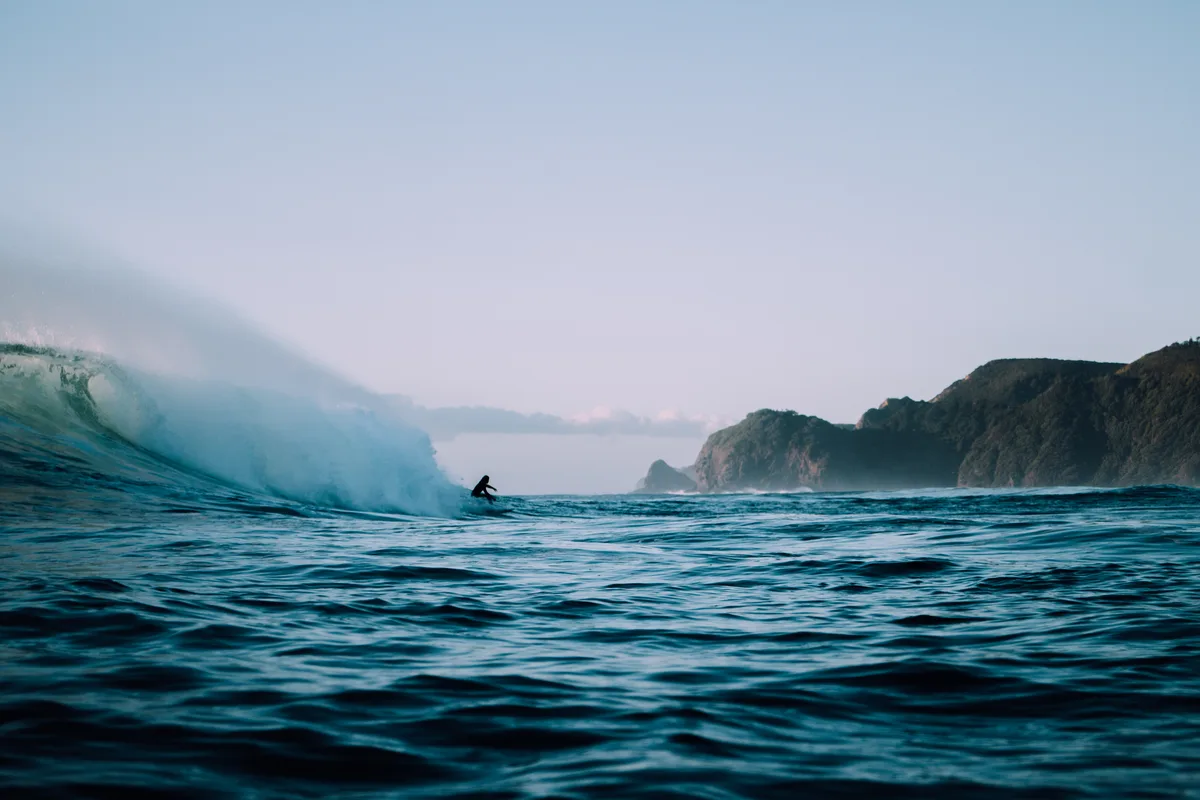
Whangamata is one of New Zealand’s premier surf destinations — the Whanga Bar break draws surfers from around the country
Getting to Whiritoa from Whangamata
Whiritoa is 12 kilometres south of Whangamata. Drive south on SH25 towards Waihi for about 8 kilometres, then turn left onto Whiritoa Road (signposted). The road descends through farmland and bush for 4 kilometres before reaching the settlement. The total drive takes 12–15 minutes. There is no public transport between the two towns.
Swimming Safety
Whiritoa Beach has a powerful shore break and can produce strong rip currents, particularly on outgoing tides and after storms. The volunteer surf lifesaving club patrols the beach on weekends and public holidays during the peak summer period (Christmas to late January), but coverage is more limited than at Whangamata. When lifeguards are on duty, always swim between the flags. When they are not, swim with extreme caution — ideally with others and never alone.
The northern end of the beach tends to have calmer conditions and is often the safest spot for swimming. The southern end near the rocks can have strong lateral currents and should be avoided by swimmers.
Camping at Whiritoa
The Whiritoa Beach Holiday Park sits in a bush setting a short walk from the beach. It offers powered and unpowered tent sites, as well as a limited number of cabins. Facilities include toilets, hot showers, a communal kitchen and BBQ areas. The campground is extremely popular over Christmas and New Year and books out months in advance — if you want a site during peak season, book by September at the latest. Outside of peak times, walk-ins are usually fine.
Practical Tips for Visiting Whiritoa Beach
- Supplies: Bring everything you need. The small general store operates in summer only and stocks basics — bread, milk, ice creams and bait. For proper grocery shopping, head to Whangamata or Waihi
- Mobile coverage: Coverage is reasonable in the settlement but drops out on parts of Whiritoa Road and on the walking tracks
- Dogs: Dogs are allowed on the beach but must be on a lead during summer daylight hours. Always clean up
- Fires: No fires on the beach. The campground has designated BBQ areas
- Fuel: No petrol station in Whiritoa. Fill up in Whangamata or Waihi
- Weather: The beach faces east and catches the morning sun early. It can be windy in the afternoon when the sea breeze kicks in. Mornings are generally the best time for a beach day
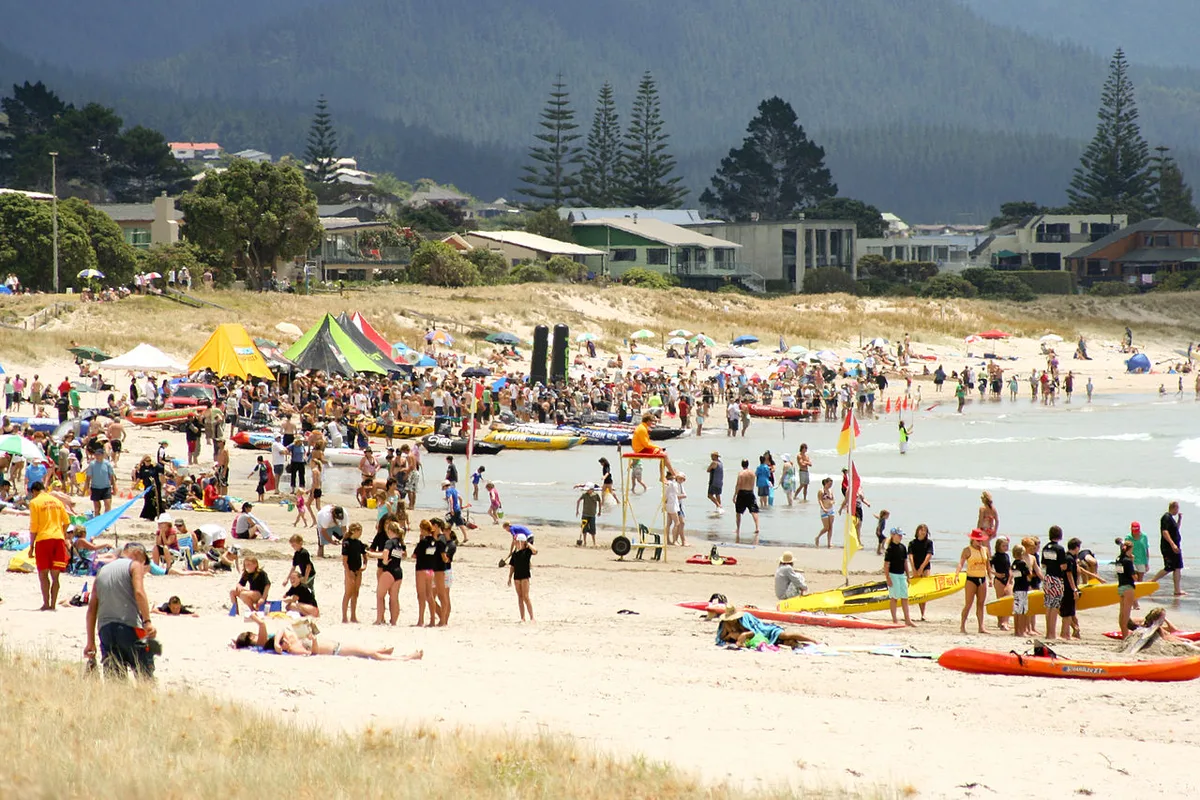
Whangamata’s coastline stretches along the eastern Coromandel — a favourite destination for beach holidays, surfing and water sports