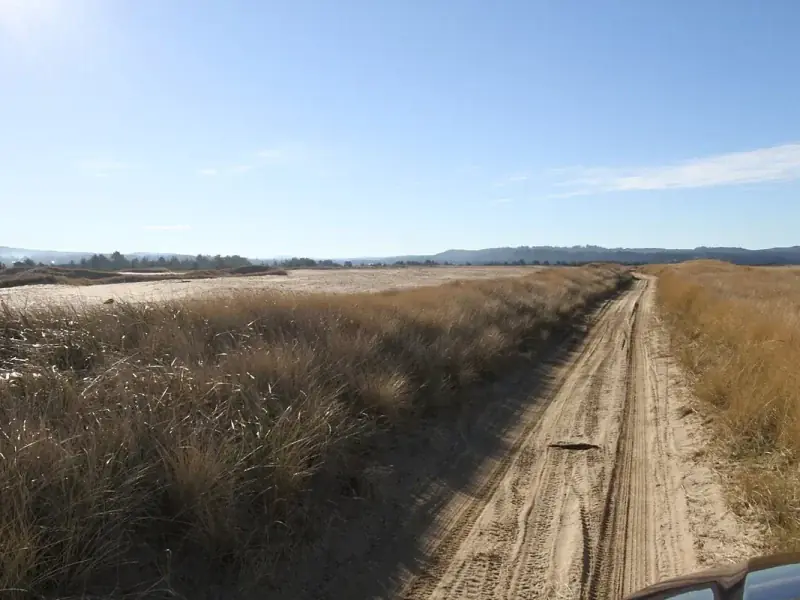
Opoutere Beach is one of the Coromandel’s best-kept secrets: a long, wild stretch of white sand backed by native bush, with almost no development in sight. Located about 20 minutes north of Whangamata, it is the polar opposite of busy resort beaches. The area includes a significant wildlife reserve protecting nesting New Zealand dotterels and other shorebirds, a beautiful harbour estuary, and a DOC campground set among the trees. If you are looking for a quiet, unspoiled beach experience, Opoutere is hard to beat.
Getting to Opoutere Beach
From Whangamata, drive north on SH25 for about 15 kilometres, then turn right onto Opoutere Road. Follow this road for approximately 3 kilometres to its end at the Opoutere DOC campground and beach access. The road is sealed the whole way. From the car park, it is a 10-minute walk through coastal bush to reach the ocean beach.
Opoutere is a remote, beautiful beach 15 minutes north of Whangamata — nesting habitat for shore birds
Opoutere Beach
Opoutere Beach
A stunning, kilometre-long ocean beach flanked by native bush-covered hills and the Wharekawa Harbour entrance at its southern end. The sand is white and fine, the water is clean, and on most days you will share it with only a handful of other visitors. This is a surf beach with no lifeguard patrols, so swim with caution. The beach faces east and gets morning sun, making it a spectacular sunrise spot. The walk from the car park through the bush track takes about 10 minutes and emerges at the northern end of the beach.
Wharekawa Harbour
The Wharekawa Harbour wraps around the southern side of the Opoutere area and is a completely different environment from the ocean beach. The harbour is tidal, sheltered, and ideal for calmer water activities.
Wharekawa Harbour
The Wharekawa Harbour is a tidal estuary that provides a sheltered alternative to the ocean beach. At high tide, the harbour fills to create calm, warm, shallow water ideal for young children, kayaking, and stand-up paddleboarding. At low tide, the mudflats are exposed, revealing rich feeding grounds for wading birds including oystercatchers, herons, and godwits. The harbour is an excellent spot for collecting cockles and pipi (check the current MPI limits before harvesting). The harbour entrance where it meets the ocean can have strong currents on the outgoing tide, so stay well clear of that area when swimming.
DOC Camping Ground
The Opoutere DOC Campground is one of the most peaceful camping spots on the Coromandel Peninsula. Set under a canopy of pohutukawa and coastal bush, it offers a genuine back-to-nature experience just a short walk from both the ocean beach and the harbour.
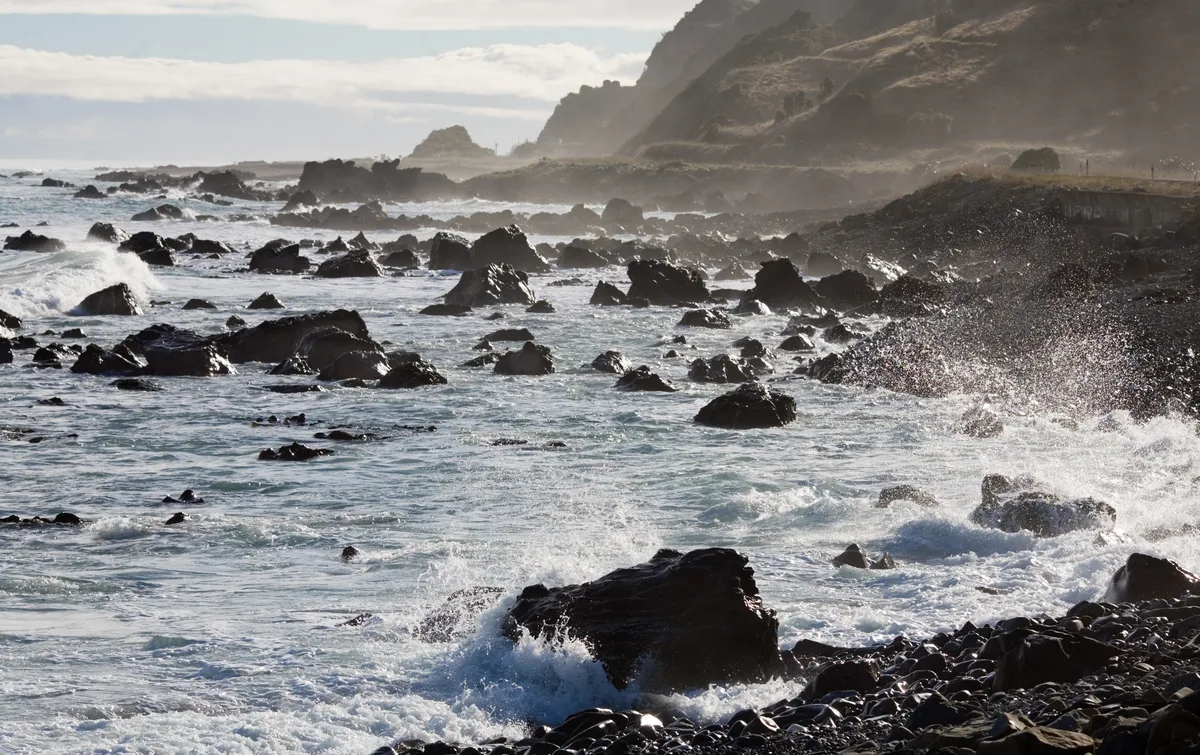
The Coromandel coastline offers some of New Zealand’s most dramatic coastal scenery
Opoutere DOC Camping Ground
A basic but beautiful DOC campground with unpowered tent and campervan sites spread through native bush. Facilities include long-drop toilets, cold water taps, and a basic cold shower. There is no rubbish collection, so you must pack out everything you bring in. The campground is managed by the local community and fees are collected via an honesty box or can be paid online through the DOC website. Sites are not bookable in advance and operate on a first-come, first-served basis. During peak summer (late December through January), the campground can fill by early afternoon.
Wildlife Refuge & Sandspit
The long sandspit that extends from the southern end of Opoutere Beach into the Wharekawa Harbour entrance is a protected wildlife refuge and one of the most important shorebird nesting areas on the Coromandel. This is a special place that requires visitors to take extra care.
Opoutere Sandspit Wildlife Refuge
The Opoutere sandspit is a designated wildlife refuge that protects nesting New Zealand dotterels (tuturiwhatu), one of our most endangered shorebirds. During the breeding season (September to March), the dotterels nest directly on the sand, making their eggs and chicks extremely vulnerable to disturbance. The spit is also home to variable oystercatchers and occasionally NZ fairy terns. DOC and local volunteers fence nesting areas and monitor the birds throughout the season. Visitors can walk along the beach but must stay below the high tide line on the ocean side and keep well clear of any fenced nesting areas. The spit offers beautiful views back along the beach and across the harbour entrance.
Walking Tracks at Opoutere
Besides the beach walk itself, there are several short walking tracks in the Opoutere area:
- Beach access track (10 min): From the campground car park through coastal bush to the ocean beach. Well-formed and easy.
- Harbour walk: Follow the harbour edge from the campground south towards the sandspit. A peaceful walk with good birdwatching, especially at low tide.
- Bush loop track (20 min): A short loop through regenerating bush near the campground. Good for a morning walk or if you want to stretch your legs without going to the beach.
Shell Collecting
Opoutere Beach is excellent for shell collecting, particularly after storms when shells wash up along the high tide line. You will find a wide variety including scallop shells, tuatua, and cat’s eye (turban shell opercula). The Wharekawa Harbour side is also good for shells, with different species found on the mudflats at low tide. Remember that taking live shellfish is regulated. Check MPI rules for current daily limits and minimum sizes before collecting cockles or pipi.
Tips for Visiting Opoutere
- Bring everything you need. There is no shop, cafe, or other commercial facilities at Opoutere. The nearest supplies are in Whangamata (20 min drive) or Hikuai.
- Respect the wildlife. Keep your distance from nesting birds, stay below the high tide line on the spit, and never approach fenced nesting areas.
- No dogs on the sandspit at any time of year. Dogs are a major threat to nesting dotterels. If you bring a dog to the beach area, keep it on a lead and well away from the spit.
- Insect repellent. Sandflies are common, especially near the harbour and in the bush. Bring repellent.
- Tide awareness. The harbour is tidal, and the beach changes significantly between high and low tide. Check tide times before your visit if you plan to swim in the harbour or collect shellfish.
- No fires on the beach or in the campground during fire season. Check the Fire and Emergency NZ website for current fire danger status.
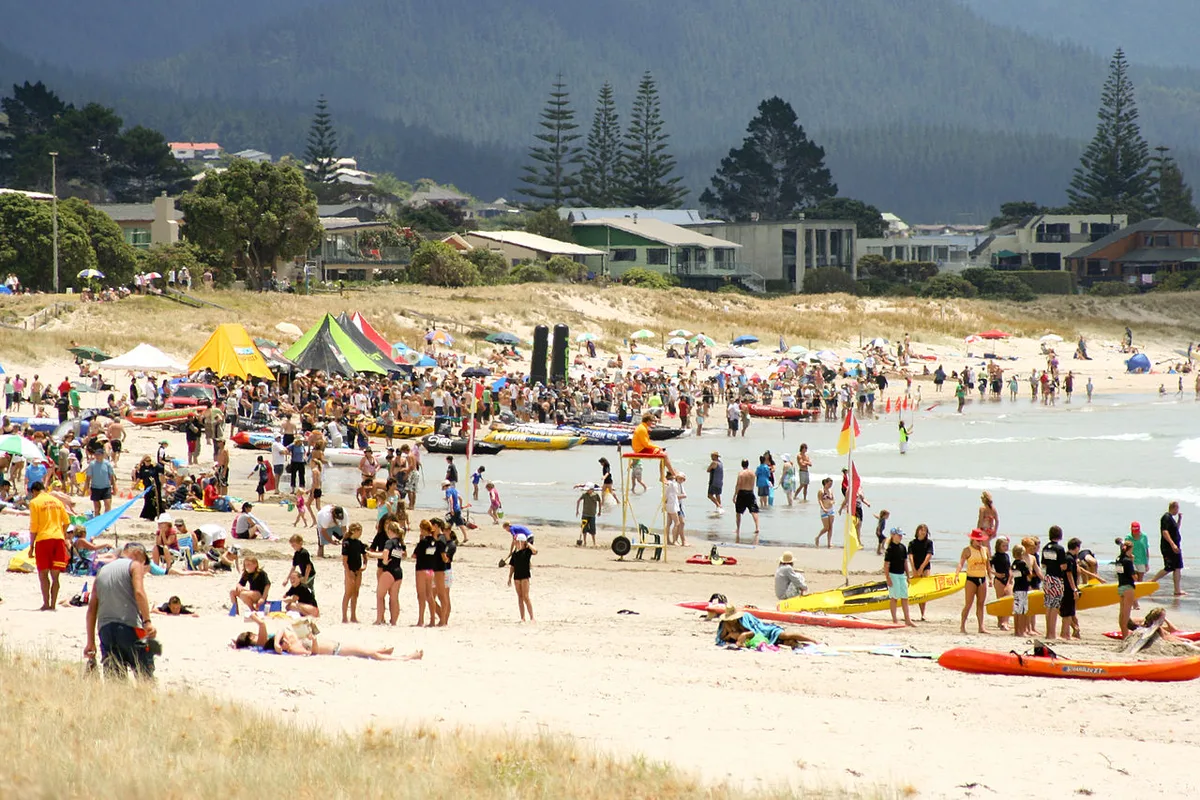
Whangamata’s coastline stretches along the eastern Coromandel — a favourite destination for beach holidays, surfing and water sports