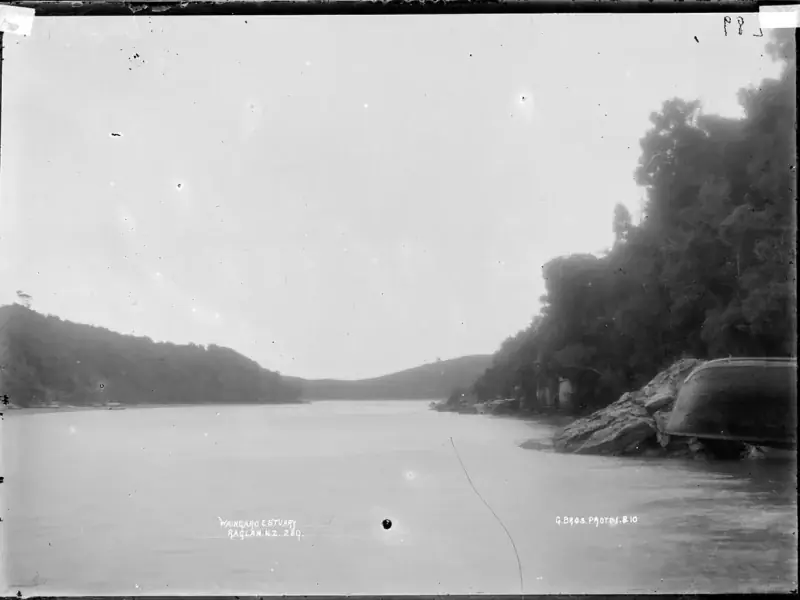
Whangamata Harbour is the sheltered waterway that wraps around the southern side of the town, providing calm water for boating, kayaking, fishing, and walking. Unlike the ocean beach, the harbour is tidal and protected from the open sea, making it ideal for activities that need flat water or for families with young children who want to swim without surf. This guide covers the key spots around the harbour, from the marina and boat ramp through to the harbour entrance, with practical information for each.
Marina & Boat Ramp
The Whangamata Marina is the starting point for most harbour-based activities. Whether you are launching a boat, heading out fishing, or catching a water taxi to Slipper Island, this is where it all begins.
Whangamata’s harbour and estuary are popular for kayaking, paddleboarding, fishing and birdwatching
Whangamata Marina & Boat Ramp
The Whangamata Marina is located off Moana Anu Anu Avenue on the harbour side of town. It has a concrete boat ramp suitable for launching trailer boats up to about 8 metres, with good access at all tide states except extreme low tides. There is a floating pontoon jetty alongside the ramp for loading and unloading passengers. The marina also has berths for permanent and visiting vessels. Parking for vehicles with trailers is available in the adjacent car park, though spaces fill quickly on summer mornings when the fishing fleet heads out. A small marina office operates during peak season. Fresh water is available on the wharf.
Harbour Drive Walkway
One of the most pleasant and accessible walks in Whangamata runs along the harbour edge. It is flat, easy, and offers constantly changing views across the tidal estuary.
Harbour Drive Walkway
The Harbour Drive walkway follows the harbour edge from the marina area south towards the harbour entrance and Williamson Park. The path is a mix of sealed footpath and formed gravel track, completely flat and suitable for pushchairs, wheelchairs, and mobility scooters. The walk takes about 30-40 minutes one way and can easily be extended by continuing along the beach at the southern end. Along the way you pass through pockets of pohutukawa trees, small grassy reserves with benches, and several spots where you can access the harbour water. At low tide, the mudflats are exposed and you can often see herons, oystercatchers, and other shorebirds feeding. At high tide, the harbour fills and the water laps right up to the edge of the path in places.
Island View Reserve
Island View Reserve
Island View Reserve is a grassy waterfront area on the harbour side with excellent views across to Hauturu (Clark Island) and out towards the harbour entrance. It is a popular spot for picnics, with benches and shade from mature pohutukawa trees. The reserve has direct access to the harbour water, making it a good spot for launching kayaks or SUPs without needing the boat ramp. At high tide, there is enough water depth here for a sheltered swim in calm, flat water – a great option for young children or anyone who prefers not to deal with surf. The grassy area is large enough for games of cricket or frisbee.
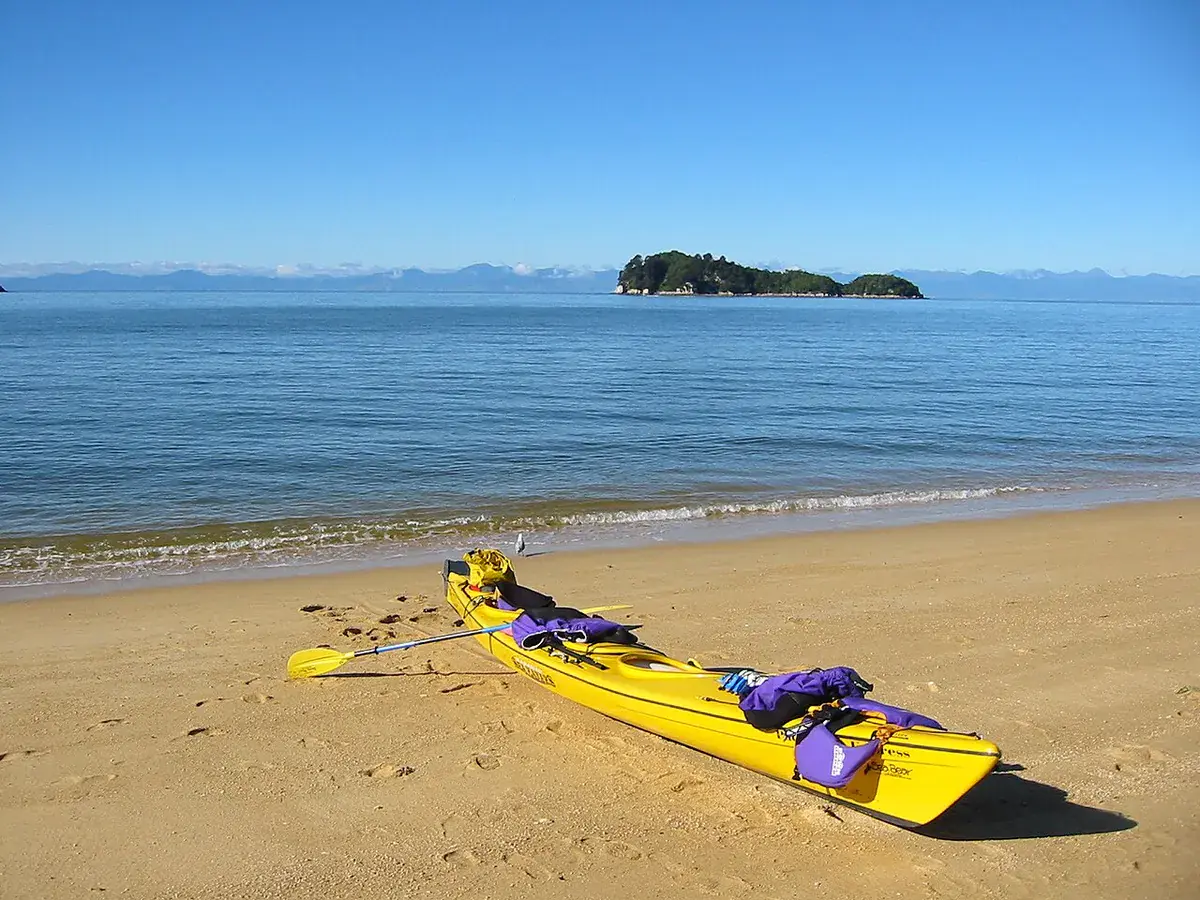
Kayaking in Whangamata’s harbour and estuary — calm conditions for all skill levels
Harbour Bar & Entrance
The harbour bar is where the harbour meets the open ocean between the southern end of Whangamata Beach and the sandspit opposite. This is an area that demands respect from boaters and swimmers alike.
Harbour Bar & Entrance
The Whangamata harbour bar is the shallow, narrow channel where the harbour empties into the sea. This is one of the most dangerous spots in the area for both boats and swimmers. On an outgoing tide, the current through the channel is extremely strong and can easily pull swimmers out to sea. For boats, the bar can break in swells over about 1 metre, creating dangerous conditions that have claimed lives over the years. The bar is best crossed on an incoming tide in calm conditions. Inexperienced skippers should seek local advice from the marina or coastguard before attempting to cross. There is a Coastguard presence during summer weekends. Never swim in the harbour entrance channel.
Harbour Fishing Spots
The harbour offers productive fishing without needing a boat. Several spots around the harbour edges are popular with land-based anglers.
Harbour Fishing Spots
Land-based fishing in the harbour is productive, particularly around the incoming and high tide. The best spots are along the harbour walls near the marina entrance, the rock edges near the harbour bar, and from the wharf structure itself. Target species include snapper, kahawai, trevally, and various flatfish (flounder and sole) on the sandy bottom. Bait fishing with pilchards, squid, or fresh shellfish works well. Soft-bait fishing from the harbour walls and around the channel edges can produce good snapper, especially in the warmer months from November to April. The harbour is also a nursery for juvenile fish, so return any undersized catches carefully. Check the current MPI regulations for daily bag limits and minimum legal sizes.
Kayaking & Stand-Up Paddleboarding
The harbour is the best spot in Whangamata for kayaking and stand-up paddleboarding (SUP). The sheltered water means you avoid the surf and currents of the open beach, and the changing tidal scenery keeps things interesting.
- Best launch spot: Island View Reserve or the beach area near the marina. Both offer easy water access and parking nearby.
- Best conditions: High tide gives you the most water to paddle in and allows you to explore further up the harbour channels. At low tide, large areas of mudflat are exposed and navigation becomes difficult.
- Stay clear of the harbour entrance. The currents near the bar are dangerously strong, especially on an outgoing tide. Paddle upstream (away from the entrance) for a safe and enjoyable experience.
- Wildlife: You will often see stingrays in the shallows, blue herons fishing on the mudflat edges, and kingfishers in the pohutukawa trees lining the harbour.
- Rental: During summer, kayak and SUP hire is sometimes available from operators near the marina. Check locally for current availability and pricing.
Practical Tips
- Tide times matter. Almost everything in the harbour is tide-dependent. Check the tide chart before planning any activity. High tide is best for swimming, paddling, and fishing. Low tide exposes mudflats and makes boat launching more difficult.
- Respect the bar. The harbour entrance has caused fatalities. Never underestimate the strength of the current or the conditions on the bar. If in doubt, do not cross.
- Sun protection. The harbour is exposed with limited shade. Bring sunscreen, a hat, and sunglasses.
- Wear shoes on the mudflats. Broken shells and the occasional stingray make bare feet risky on the harbour bottom. Old sneakers or water shoes are ideal.
- Fishing rules. The harbour is within the Coromandel fishing area. Daily bag limits, minimum sizes, and seasonal closures apply. Check the MPI website for current regulations.
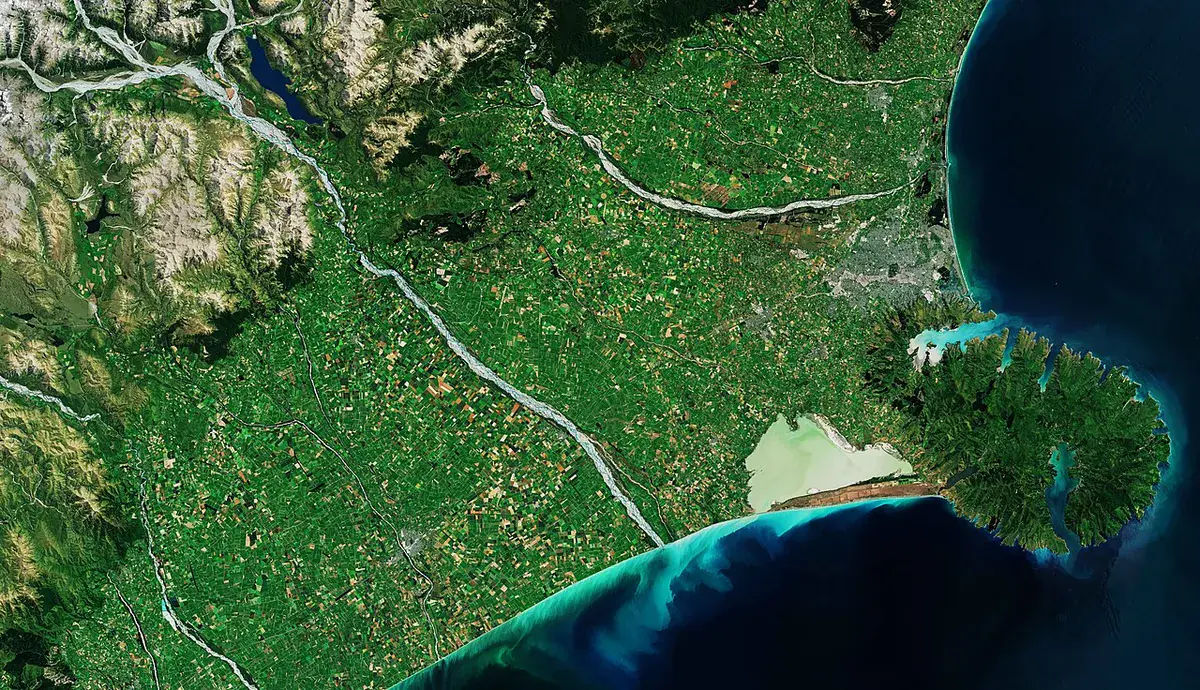
Donut Island (Whenuakura) — Whangamata’s iconic volcanic ring island is accessible by kayak