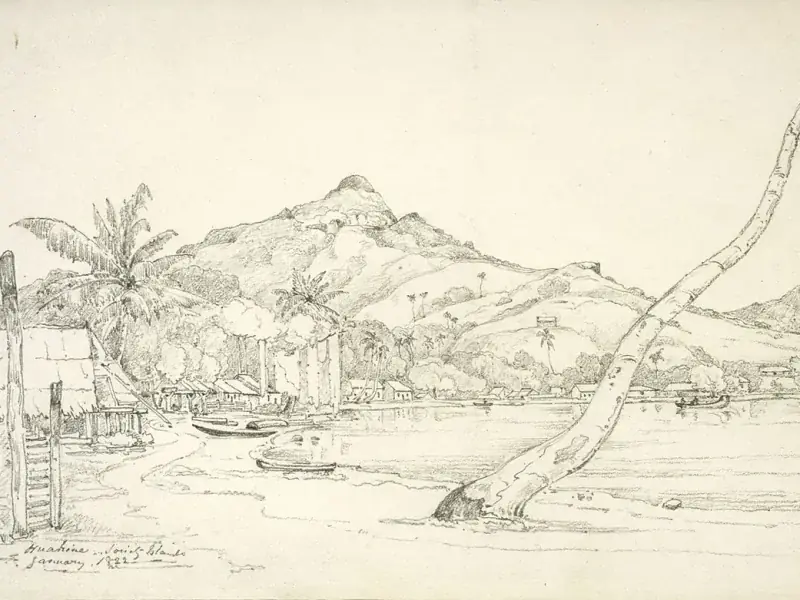
Slipper Island (Whakahau) is a privately owned island roughly 4 kilometres off the Whangamata coast. With pristine sandy beaches, crystal-clear snorkelling waters, native bush walking tracks, and virtually no crowds, it is one of the most special day trip and overnight camping destinations in the Coromandel. Access is by private boat or water taxi from Whangamata Marina. Because it is privately owned, you need to book and pay for camping in advance, but day visitors are welcome on the beaches. Here is everything you need to know to plan a trip.
How to Get to Slipper Island
There are two ways to reach Slipper Island: by private boat or by water taxi. There is no public ferry service. The crossing from Whangamata Marina takes approximately 20-30 minutes depending on sea conditions and the vessel.
Slipper Island (Whakahau) offers remote camping and day trips from Whangamata
Whangamata Marina (Departure)
All trips to Slipper Island depart from the Whangamata Marina on Moana Anu Anu Avenue. If you are taking a water taxi, the operator will advise you where to meet at the marina. If launching your own boat, use the concrete ramp and be aware of tide conditions for crossing the harbour bar. The bar must be crossed to reach the open sea, and this should only be attempted in calm conditions on an incoming tide. Check the bar conditions before departing and listen to the Coastguard radio for updates. Trailer parking is available at the marina car park.
Water Taxi
Water taxi services operate from Whangamata Marina during the summer season (typically November through Easter). Bookings are essential and should be made in advance, especially during peak periods. The water taxi will take you directly to the beach on Slipper Island and arrange a pickup time. Expect to pay around $80-$120 per person return (prices vary by operator and group size). Search online for current Slipper Island water taxi operators or ask at the Whangamata i-SITE visitor centre for recommendations.
Private Boat
If you have your own boat, the crossing is straightforward in good conditions. Head northeast from the harbour entrance towards the island, which is clearly visible on the horizon. The main anchorage is in the bay on the western (sheltered) side of the island, known as Home Bay. Anchor in sand in 3-5 metres of water and dinghy ashore. Make sure your anchor is well set, as conditions can change. Check the marine forecast before departing and carry all required safety equipment. File a trip report with the Coastguard.
The Island
Slipper Island (Whakahau)
Slipper Island is approximately 2.5 kilometres long and 800 metres wide, rising to about 170 metres at its highest point. The island is privately owned and managed as a low-impact camping and recreation destination. It has several beautiful sandy beaches, particularly on the western and northern sides, along with rocky headlands, native bush, and regenerating farmland. The waters around the island are some of the clearest on the Coromandel coast, making it outstanding for snorkelling and diving. There is no mains electricity, no shops, no phone coverage in many spots, and no treated water supply. This is a genuine off-grid island experience.
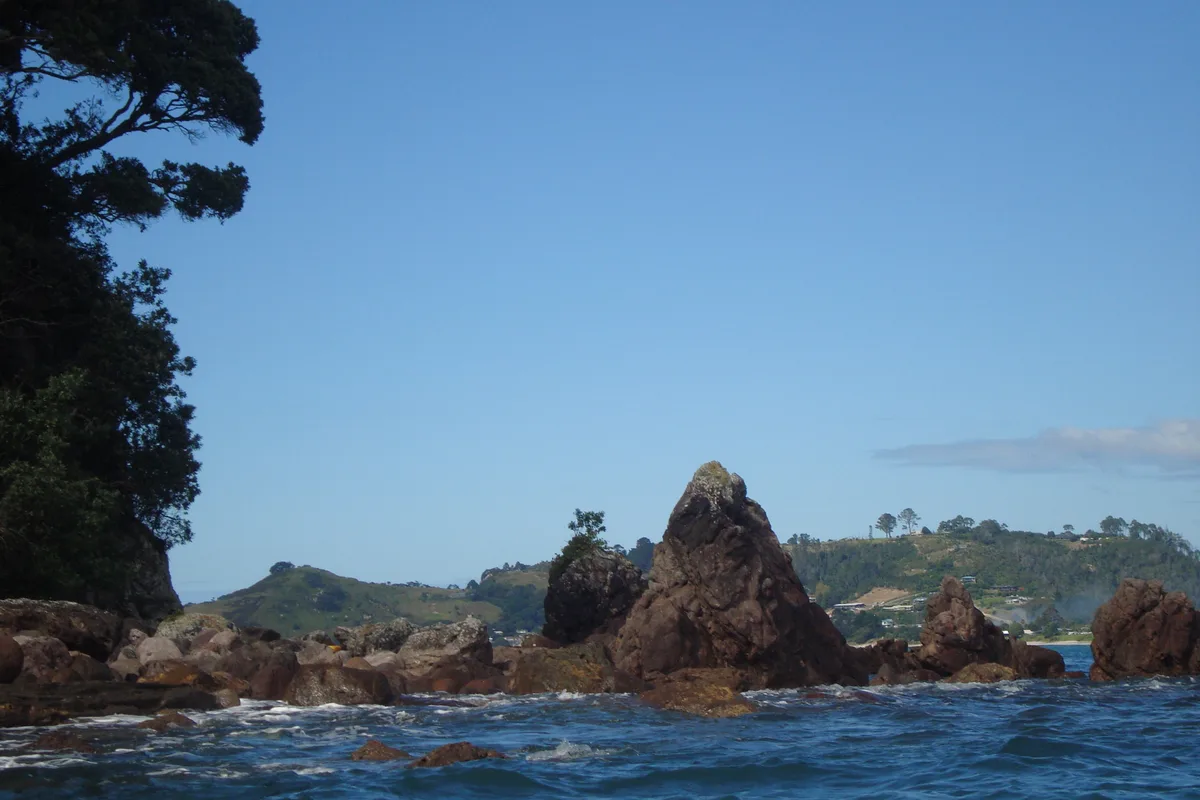
Sea kayaking to Donut Island (Whenuakura) is one of Whangamata’s signature experiences
Beaches
Slipper Island has several beaches, each with its own character:
- Home Bay (west side): The main beach and landing spot. A sheltered crescent of white sand with calm, clear water. This is where the water taxi drops you off and where most boats anchor. The best swimming beach on the island, with a gentle sandy bottom and no significant currents.
- South Bay: A smaller, more secluded beach on the southern end of the island. Accessible via the walking track. More exposed than Home Bay but beautiful and usually deserted.
- Northern beaches: Several small coves on the northern end accessible by walking track. Rocky in places with excellent rock pool exploring at low tide.
All beaches on Slipper Island are unpatrolled. Swim within your abilities and always swim with others.
Snorkelling & Diving
The waters around Slipper Island are the main attraction for many visitors. Visibility regularly exceeds 10 metres and can reach 15-20 metres on good days. The rocky reefs around the headlands support abundant marine life including crayfish, snapper, blue maomao, demoiselle fish, and various wrasses. You will see colourful sponges and anemones on the rocks, and schools of fish feeding in the kelp.
The best snorkelling spots are around the rocky headlands at either end of Home Bay, where the sandy bottom gives way to reef. Bring your own snorkelling gear as there is no hire available on the island. A wetsuit (even a shorty) extends your time in the water significantly, as the ocean temperature is cooler than the sheltered harbour.
Walking Tracks on Slipper Island
Several walking tracks criss-cross the island, maintained by the island’s management. The main track runs the length of the island from Home Bay to the northern end, taking about 1-1.5 hours one way. The terrain is a mix of grassland, regenerating bush, and coastal scrub, with several excellent viewpoints along the way. From the highest point, you get panoramic views of the Coromandel coast, Whangamata, and on clear days, the Aldermen Islands further offshore. The tracks are informal in places but generally well-marked. Wear sturdy footwear as some sections are steep and can be slippery.
Camping
Camping on Slipper Island is a memorable experience, but you must book and pay in advance through the island’s management. This is a privately owned island and camping without permission is not allowed.
- Booking: Search online for “Slipper Island camping” to find the current booking website. Book well in advance for summer weekends and the Christmas/New Year period, as sites are limited.
- Sites: Camping is in designated areas near Home Bay. Sites are grassy and flat, with basic toilet facilities provided.
- Fires: Open fires are not permitted. Bring a portable gas cooker for cooking.
- Water: There is limited rainwater available on the island, but you should bring all the water you need. Allow at least 3 litres per person per day, more in hot weather.
- Rubbish: You must pack out everything you bring in. There is no rubbish collection on the island.
What to Bring to Slipper Island
Because there are no shops or facilities on Slipper Island, you need to be completely self-sufficient. Here is the essential packing list:
- Water: At least 3 litres per person per day. More in hot weather. This is the most important item.
- Food: All meals and snacks for your stay, plus extra in case weather delays your return.
- Sun protection: Sunscreen (reef-safe preferred), hat, sunglasses, rash vest for snorkelling.
- Snorkelling gear: Mask, snorkel, and fins. A wetsuit or rash vest for extended time in the water.
- Insect repellent: Sandflies can be present, especially in sheltered spots and in the evenings.
- First aid kit: There is no medical help on the island. Bring basic first aid supplies.
- Torch/headlamp: Essential for campers. There is no lighting on the island.
- Portable gas cooker: For campers. No open fires allowed.
- Rubbish bags: Everything you bring must leave with you.
- Warm layer: Even in summer, evenings can be cool with sea breeze. Bring a fleece or light jacket.
- Phone/radio: Phone coverage is unreliable. If you are on a private boat, carry a VHF radio and file a trip report with Coastguard before departing.
Day Trips vs Overnight
Both day trips and overnight camping are excellent options, depending on what you want from the experience:
Day trips work well if you just want to snorkel, swim, and explore. A water taxi will typically drop you around 9-10am and collect you at 3-4pm, giving you 5-6 hours on the island. That is plenty of time to swim, snorkel the headlands, walk to the viewpoint, and have a picnic lunch on the beach. You do not need to book camping for a day visit, but you do need to arrange transport.
Overnight camping lets you experience the island at its quietest. The sunsets from the western beaches are spectacular, and the star-gazing from the island (with no light pollution) is among the best you will find in the North Island. You can snorkel at dawn before anyone else arrives, walk the full length of the island, and truly disconnect. Book camping well ahead through the island management.
Weather & Safety
- Check the marine forecast before every crossing. Conditions in the open water between Whangamata and Slipper Island can change quickly. If the forecast is for winds over 15 knots or swells over 1.5 metres, reconsider your trip.
- The harbour bar at Whangamata must be crossed to reach the open sea. This is the most dangerous part of the trip. Only cross in calm conditions on an incoming or slack tide.
- No emergency services on the island. Carry a first aid kit and know how to contact Coastguard (VHF Channel 16 or *500 from mobile if you have coverage).
- Tell someone your plans. Leave your itinerary with a friend or family member on the mainland, including expected return time.
- Be prepared to stay longer. Bad weather can delay your return. Always carry extra food and water in case you are stuck for an additional day.
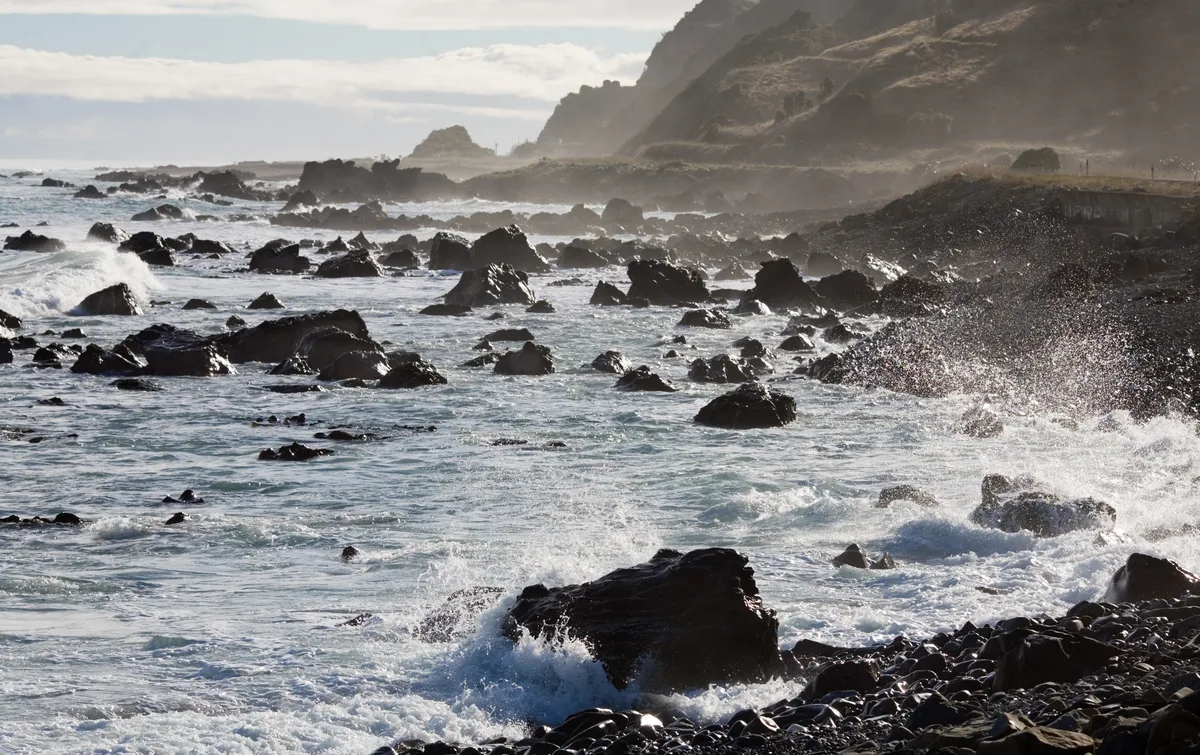
The Coromandel coastline offers some of New Zealand’s most dramatic coastal scenery