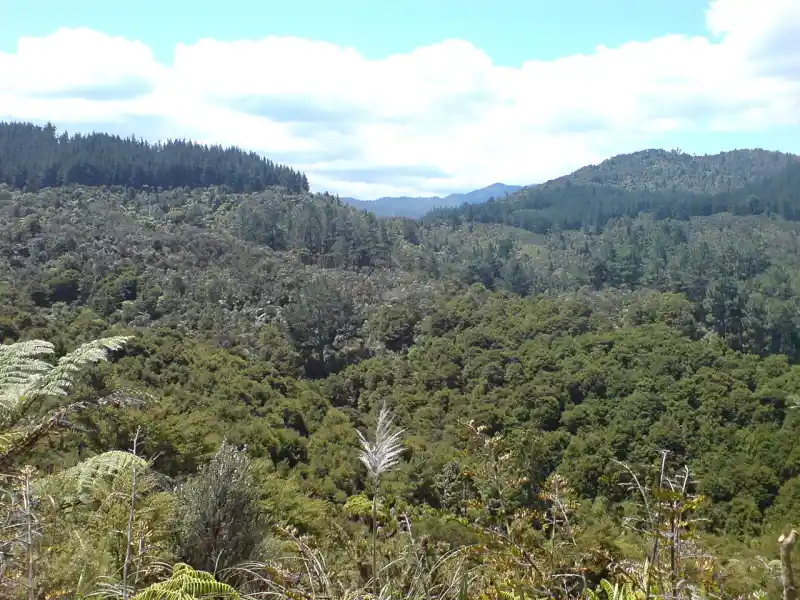
Planning a day on the water in Whangamata? Whether you’re heading out for a fish, a dive, or a cruise to the nearby islands, a successful and safe trip starts with a solid understanding of the local marine weather. The Whangamata coastline offers incredible beauty but demands respect. This guide breaks down everything you need to know about checking the Whangamata marine forecast, understanding the famous harbour bar crossing, and interpreting the conditions for a perfect day on the water.
n
About Whangamata Marine & Boating Forecast
n
Where to Find the Official Whangamata Marine Forecast
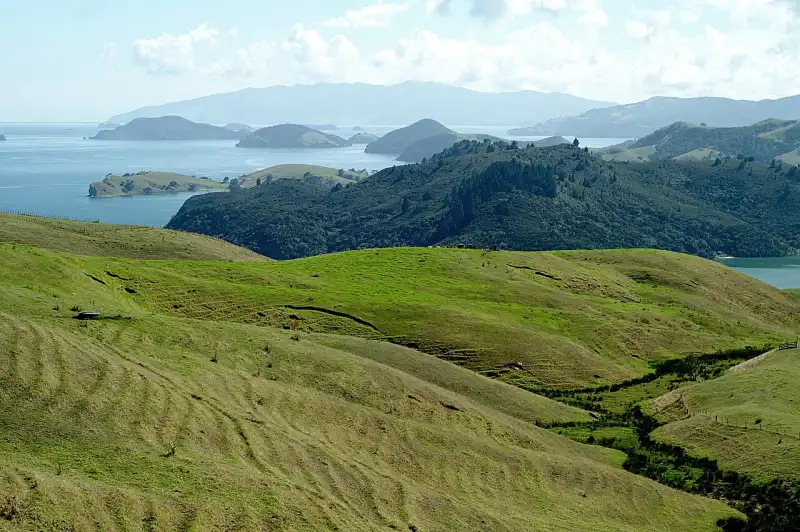
Your number one, non-negotiable stop before any trip is the official MetService Marine Forecast for Coromandel Coastal Waters. This forecast covers the Whangamata area specifically. It provides detailed predictions for wind direction and speed, sea state, and swell. Don’t rely on general weather apps; the marine forecast is tailored for the unique coastal conditions we experience here. We’ll list the direct link at the end of this article.
Understanding the Whangamata Harbour Entrance & Bar Crossing
The entrance to Whangamata Harbour is a shifting bar, making it the most critical factor for local boaties. Conditions here can change rapidly and are influenced by tide, swell, and wind.
- Tide is King: The bar is generally safest to cross on a rising tide, ideally 2 hours either side of high tide. A low tide exposes shallow sandbars, creating steeper, breaking waves. Always check the Whangamata tide tables.
- Swell & Wave Height: Even on a good tide, a large easterly or northeasterly swell can make the bar dangerous. If the marine forecast shows swell over 1.5 meters from an easterly quarter, extreme caution is needed. Observe the bar for several minutes from the lookout before attempting to cross.
- Wind Against Swell: An onshore wind (e.g., an easterly) pushing against an outgoing tide creates a choppy, confused sea on the bar, increasing the risk.
Golden Rule: If in doubt, don’t go out. The local Coastguard unit monitors bar conditions and can provide advice.
Decoding Wind Patterns & Swell for Whangamata
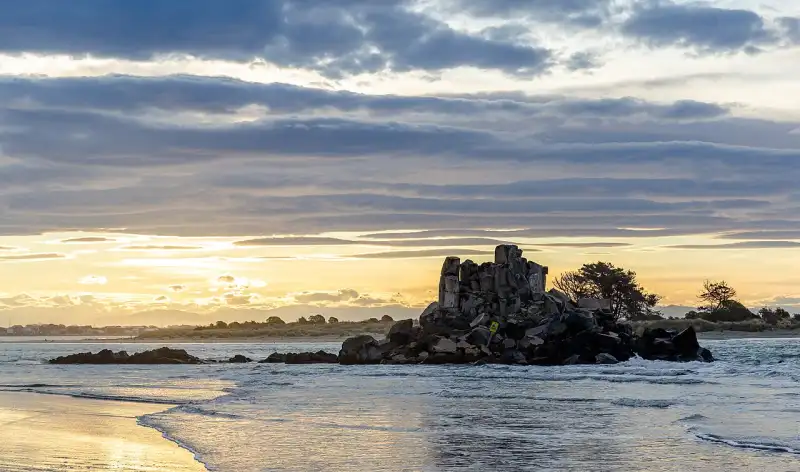
Local knowledge of wind and swell makes all the difference to your comfort and safety.
- Prevailing Winds: In summer, northeasterly sea breezes are common, often picking up by midday. In winter, southwesterlies dominate and can be strong and cold.
- Dangerous Winds: Strong easterlies or northeasterlies can quickly whip up a steep, short sea close to shore. Southerly changes can also arrive abruptly.
- Swell Direction: An easterly swell is most common and directly impacts the harbour entrance. A large southerly swell can make anchorages on the south side of islands uncomfortable and affect passages like the “middle ground.”
VHF Radio & Coastguard: Your Lifelines
A VHF radio is essential safety equipment. The Whangamata Coastguard is a dedicated volunteer service that monitors channels and responds to emergencies.
- Channel 16: The international distress, safety, and calling channel. Always monitor this when on the water.
- Channel 63: The primary working channel for the Whangamata Coastguard. Switch to this for routine communication after making contact on 16.
Always file a trip report with Coastguard via VHF or the Marine Rescue App. It tells them who you are, where you’re going, and when you’ll be back—your first line of help if things go wrong.
Best Conditions for Heading Out from Whangamata
The ideal “bluebird” day combines:
- Light winds (less than 10 knots) from the northwest or southwest in the morning.
- Swell height below 1 meter, preferably from the north or southwest.
- A rising or high tide for a smooth bar crossing.
- High pressure system dominating the weather map.
These conditions provide a comfortable ride, safe bar access, and often great fishing.
Seasonal Patterns & Fishing Weather Tips
Summer (Dec-Feb): Busiest boating season. Watch for afternoon NE sea breezes. Mornings are often calmest. Good fishing for snapper, kingfish, and marlin further out.
Autumn/Winter (Mar-Aug): Can provide stunning, stable days between southerly systems. Excellent fishing for snapper and hapuku. Always be prepared for a rapid weather change with colder southwesterlies.
Fishing Weather Tip: A falling barometer (low pressure approaching) can often trigger fish to feed. However, this usually comes with worsening weather, so balance opportunity with safety. After a strong blow, the first day of easing winds can be productive.
Essential Links for Your Whangamata Marine Forecast
- MetService Marine – Coromandel: Your primary forecast source for wind, swell, and weather.
- Waikato Regional Council Tide Tables: For accurate Whangamata tide times and heights.
- Coastguard NZ – Whangamata Unit: For local safety updates and to learn about the Trip Report service.
Whangamata Marine Forecast FAQ
What is the best tide to cross the Whangamata bar?
The safest time is on a rising tide, ideally starting 1-2 hours before high tide and up to the high tide point itself. This provides the greatest depth and usually the smoothest conditions.
Where can I see the Whangamata bar conditions before launching?
Use the dedicated bar camera and viewing area. Physically observe the bar for at least 5-10 minutes from the lookout to gauge wave sets and patterns before committing.
What VHF channel does Whangamata Coastguard use?
They monitor Channel 16 for distress and calling. For routine communication, they will ask you to switch to their working channel, which is typically Channel 63.
Is the Whangamata marine forecast different from the town weather?
Yes, absolutely. The marine forecast considers open water conditions, wave height, and swell—factors that a land-based forecast doesn’t detail. Always check the specific MetService Coromandel coastal waters forecast.
What wind direction is worst for Whangamata?
Strong easterly or northeasterly winds are often the most problematic, as they blow directly onto the coast and harbour entrance, creating a rough sea state and dangerous bar conditions.
Stay informed, stay safe, and enjoy the incredible boating and fishing that Whangamata has to offer. The ocean is a beautiful but unforgiving environment—respecting the forecast is the first step to a fantastic day on the water.