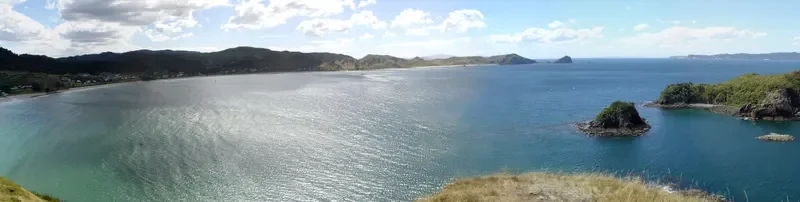
The Coromandel Peninsula is one of New Zealand’s most loved holiday regions: a rugged finger of forested ranges and golden beaches reaching north between the Hauraki Gulf and the Pacific. For those based in Whangamata, it is home turf — and the perfect launchpad for exploring everything the wider peninsula has to offer, from hot-water beaches to remote coastal walks.
This guide offers a local’s overview of the region, how it fits together, and how to plan your time.
A peninsula of two coasts
The Coromandel is defined by its central spine of bush-clad ranges, with two very different coastlines on either side. The east coast — where Whangamata, Tairua, Hahei and Whitianga sit — is famous for its surf beaches, white sand and the icons of Cathedral Cove and Hot Water Beach. The west coast, facing the calmer Hauraki Gulf, is quieter and more historic, centred on Coromandel Town and the road to the remote north.
Getting around
State Highway 25 forms a loop around much of the peninsula, with SH25A providing a faster link across the middle. Distances look small on a map but the roads are winding, so journeys take longer than you might expect — plan around an hour or more between the main east-coast towns, and considerably more to reach the northern tip beyond Colville. Fuel up before long drives, as services thin out quickly away from the larger towns.
Highlights worth the drive
East coast icons
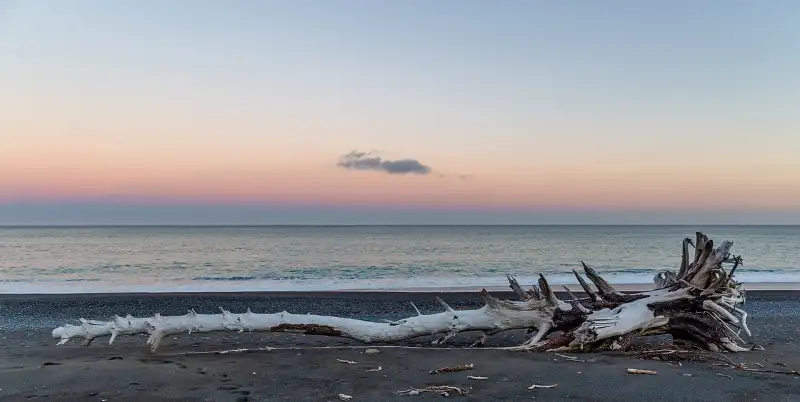
Cathedral Cove’s archway and the dig-your-own spa pools of Hot Water Beach are the peninsula’s signature attractions, both within about an hour of Whangamata. Whitianga, on Mercury Bay, adds a working harbour, a passenger ferry and boat trips along the coast.
Walks and the wild north
Inland, the Pinnacles tower above the Kauaeranga Valley behind Thames, offering one of the region’s classic hikes. At the far northern tip, the Coromandel Coastal Walkway between Fletcher Bay and Stony Bay rewards the long drive with some of the most remote scenery in the North Island.
When to visit
Summer is peak season, with warm seas, blooming pohutukawa and lively towns — but also crowds, full campsites and tight parking at the headline spots. Spring and autumn bring quieter beaches and good walking weather, while winter is calm and uncrowded, ideal for those who prefer the peninsula at its most peaceful.
Making Whangamata your base
With its surf beach, harbour and services, Whangamata is an ideal base for day trips across the peninsula. From here you can reach the east-coast icons in under an hour, cross to Coromandel Town for the day, or set out on a longer adventure into the north — and return each evening to one of the Coromandel’s best beaches.
Frequently asked questions
What is the Coromandel Peninsula known for?
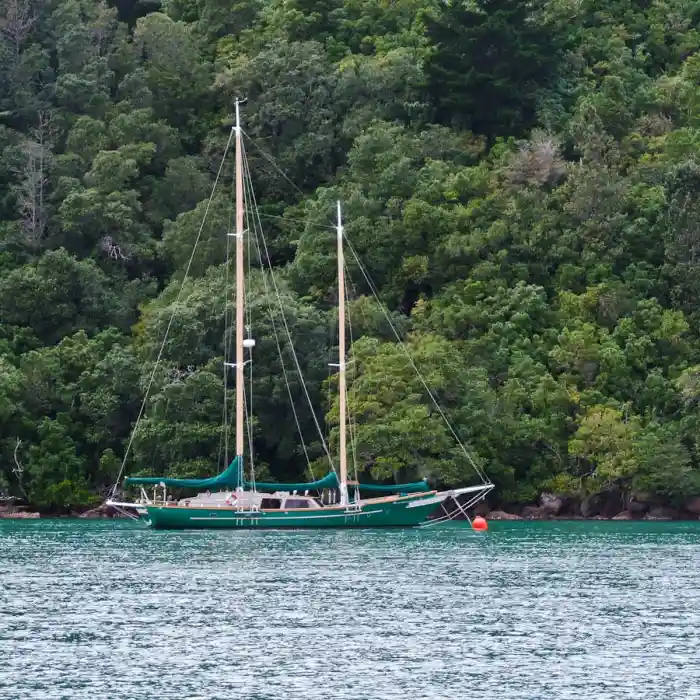
Its beaches, native bush and walks — including Cathedral Cove, Hot Water Beach, the Pinnacles and the Coromandel Coastal Walkway — spread across two contrasting coastlines.
How do you get around the Coromandel?
Mostly by car, on the SH25 loop and the SH25A cross-peninsula link. Roads are winding, so allow more time than the distances suggest.
Is Whangamata a good base for exploring the peninsula?
Yes. It sits on the east coast within easy reach of the main attractions and makes a comfortable base for day trips across the region.
When is the best time to visit?
Summer for warm swimming and atmosphere, or spring and autumn for quieter beaches and good walking weather.