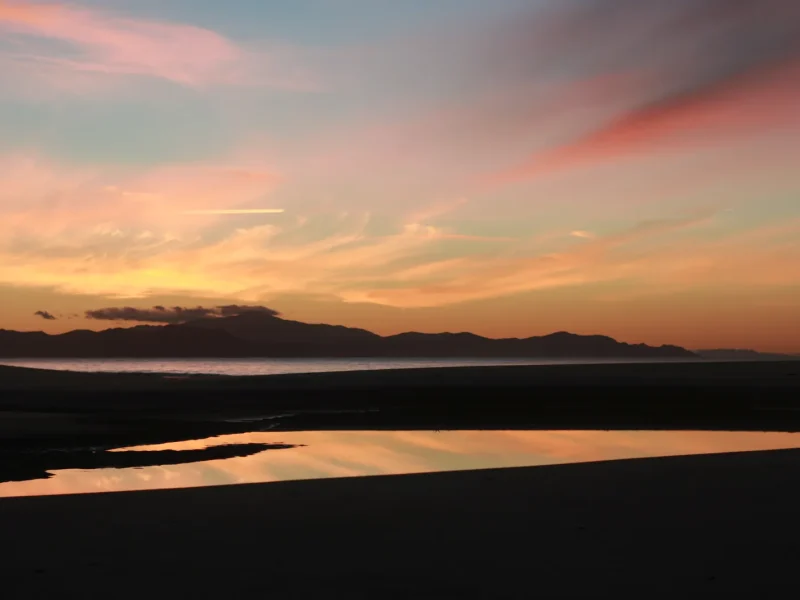
Waimataruru is one of the most celebrated houses in New Zealand — an award-winning, low-carbon timber home tucked into the coastal bush above Ōtama Beach, near the northern end of the Coromandel Peninsula. If you searched “Waimataruru Coromandel” you’ve probably seen it on an architecture site, a property listing, or Phil Spencer’s best Kiwi homes show, and you’re wondering: what exactly is it, where is it, and can I visit? Here’s the honest, complete answer — plus a proper guide to Ōtama Beach, the stretch of coast it overlooks, which is the part you can actually enjoy.
⏱️ Time: ~1 hr drive from Whitianga; allow half a day at Ōtama • 💲 Cost: Free (beach); Waimataruru itself is a private home • 🥾 Effort: Easy beach access; steep gravel road in • 📍 Near: Kuaotunu, Opito Bay, Whitianga
What is Waimataruru?
Waimataruru is a private three-bedroom house designed by Pac Studio with Kristina Pickford Design, completed on a roughly 10-hectare block of regenerating coastal bush above Ōtama Beach. It became famous for two reasons: its design and its sustainability.
The home is built almost entirely from cross-laminated timber (CLT) and other New Zealand-grown wood — structure, cladding, flooring, decking and cabinetry — so the building itself locks away carbon rather than emitting it. Power, heating and hot water come largely from solar panels and batteries; rainwater is harvested into underground tanks; and wastewater is treated by a worm-farm septic system that feeds native plantings. Its single, gently sloping roofline was shaped to echo the contour of the Coromandel coast behind it.
The name was gifted by a kaumātua of the local Ngāti Hei iwi. It combines Waimata — the stream that runs through the property — with ruru, the native morepork owl that is a constant presence around the house.
The design earned an NZIA housing award in 2022 and was named the country’s Best House (Best House Aotearoa 2022) by HERE magazine the same year, before later appearing on television and being marketed for sale. In short: it’s a landmark of contemporary Kiwi architecture rather than a tourist attraction.
Can you visit Waimataruru?
No — not as a public attraction. Waimataruru is a private residence. It is not a museum, a café, a public lookout or a guaranteed holiday rental, and it has been on and off the market as a high-end property. Please don’t drive in expecting a tour or turn up at the gate; the surrounding land is private and the access lanes serve residents only.
What you can enjoy, completely free, is the beach the house looks out over. That’s where almost everyone searching “Waimataruru” actually ends up wanting to go — so here’s how to make the most of Ōtama Beach.
Where is it, and how do you get there?
Ōtama Beach sits on the eastern Coromandel coast between Kuaotunu and Opito Bay, north of Whitianga. The drive is part of the experience — and part of the warning.
From Whitianga, follow State Highway 25 to Kuaotunu, then turn onto Black Jack Road and climb over the hill. The final stretch is unsealed gravel: steep, narrow and winding in places, but generally fine for an ordinary 2WD car taken slowly. You don’t need a 4WD. Take it easy on blind corners, watch for oncoming traffic, and allow more time than the distance suggests — figure on roughly an hour from Whitianga once you account for the hill.
🗺️ Directions (Google Maps)🚗 Open in Waze
Coming from further afield? See our Whitianga & Mercury Bay day-trip guide for the run up the east coast, and the Coromandel Peninsula local’s guide for the bigger picture.
Things to do at Ōtama Beach
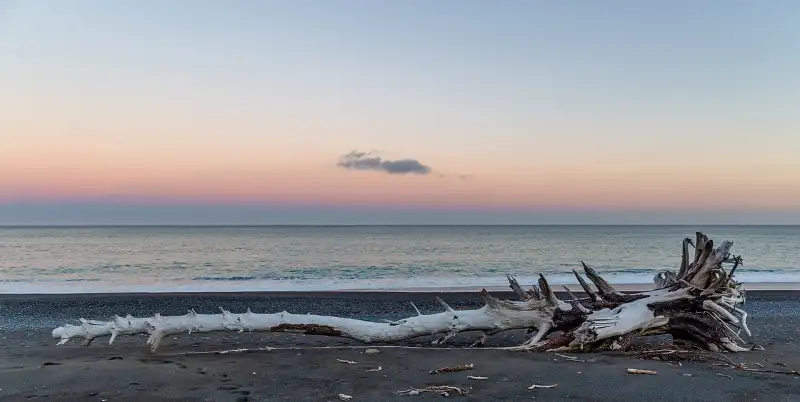
Ōtama is a roughly 2km arc of clean white sand, backed by dunes and a protected wetland. It’s far quieter than Hot Water Beach or Cathedral Cove because of that gravel road, which is exactly its charm.
- Swim and walk the sand. The long, open beach is great for a stroll; look for the well-known beach swing that often appears at one end.
- Snorkel the rocks. As you come down the hill, the left-hand end of the beach has cliffs, rocks and tide pools. The water is clear, making it one of the better casual snorkelling spots in the area.
- Kayak or paddleboard. On a calm day the bay is sheltered enough to explore the rocky ends and stay upright if you’re a beginner.
- Watch for dotterels. The dunes and wetland are breeding habitat for the endangered New Zealand dotterel. Keep dogs under control, stay out of fenced areas, and give nesting birds plenty of space, especially in spring and summer.
- Pair it with Opito Bay. Another ~6km on, Opito Bay is equally lovely and remote, with a short Pā walk (about 20–30 minutes return) and a beach often scattered with scallop shells.
What to bring (there are no shops)
This is the single most important practical tip: Ōtama has no shops, cafés, fuel or services. There are baches dotted around, but no commercial centre. Bring everything you need for the day.
| Bring | Why |
|---|---|
| Drinking water & food | No shops or cafés anywhere nearby |
| Sun protection | Little natural shade on the open beach |
| Mask & snorkel | Clear water around the rocks at the ends |
| Full fuel tank | No petrol station out this way |
| Rubbish bag | Take all rubbish home; facilities are minimal |
When to go: tides, weather and seasons
Ōtama faces north-east, so it’s at its best on a calm, sunny day with light winds. Mid-to-low tide exposes more firm sand for walking and opens up the rock pools and snorkelling shelves at the ends of the beach; high tide is better for an easy swim off the main beach. Summer (December–March) brings the warmest water and the busiest baches, but the gravel road keeps crowds modest year-round. Always check the latest Coromandel weather and tide times before you set out, since the nearest equivalents are a good guide for this coast.
Where to stay
Accommodation at Ōtama and neighbouring Opito Bay is almost entirely privately owned baches and holiday homes, listed seasonally on booking platforms — there are no hotels or resorts on the beach. Many visitors base themselves in Whitianga or Kuaotunu and day-trip out. If you’re touring the wider region from the south, our Whangamata accommodation guide covers options at the other end of the peninsula, and the Coromandel hub ties the whole coast together.
Make a day of it nearby
Ōtama works beautifully as one stop on a bigger east-coast loop. Within easy reach you’ll find Cathedral Cove and Hot Water Beach further south, plus the gold-and-mussels charm of Coromandel Town over on the western side. For the full menu, see our guide to the best Coromandel beaches, walks and attractions.
Frequently asked questions
Is Waimataruru open to the public?
No. Waimataruru is a private home, not a public attraction, café or lookout, and it isn’t a guaranteed holiday rental. You can admire it in architecture and property features online, but the land around it is private. The free, public part of this corner of the coast is Ōtama Beach itself.
What does the name Waimataruru mean?
It was gifted by a kaumātua of Ngāti Hei and combines Waimata, the stream running through the property, with ruru, the native morepork owl that lives around the site. Roughly, it ties the home to its water and its resident owls.
Why is Waimataruru famous?
It’s an award-winning sustainable house designed by Pac Studio with Kristina Pickford Design, built largely from New Zealand cross-laminated timber and run on solar power. It won an NZIA housing award and was named Best House Aotearoa 2022 by HERE magazine, and later featured on television, which is why so many people search for it.
Do I need a 4WD to reach Ōtama Beach?
No. The access via Black Jack Road from Kuaotunu is steep, winding gravel, but an ordinary 2WD car driven carefully and slowly will manage it fine. Allow extra time, watch for oncoming vehicles on blind corners, and remember there’s no fuel or shops once you’re out there.